Image: © OilPrice.com
Geothermal startups borrow oil drilling tech to power AI data centers
Clean energy firms are adapting hydraulic fracturing and fusion techniques to unlock deep geothermal power for hyperscalers, with the U.S. Department of Energy projecting 90 gigawatts by 2050.
- The U.S. Department of Energy projects that enhanced geothermal projects could provide about 90 gigawatts of carbon-free energy in the United States by 2050.
- Quaise Energy signed a major power purchase agreement with Google to supply 50 megawatts of superhot geothermal power beginning as soon as 2030.
- University of California Irvine engineer Mohammad Javad Abdolhosseini Qomi stated that drilling three to six kilometers deep allows for horizontal fracturing to generate electricity.
- Geothermal energy is currently viable in specific geological areas like Iceland, but enhanced methods aim to make it accessible globally.
The artificial intelligence boom is placing unprecedented pressure on global energy grids, with the energy needs of planned data centers outstripping planned energy additions in many regions where hyperscalers are developing massive campuses. This urgency has led the private and public sectors to adopt an all-of-the-above approach, increasing the scale of fossil fuels and renewables while funding next-generation alternatives.
Adapting Fracking for Deep Earth Heat
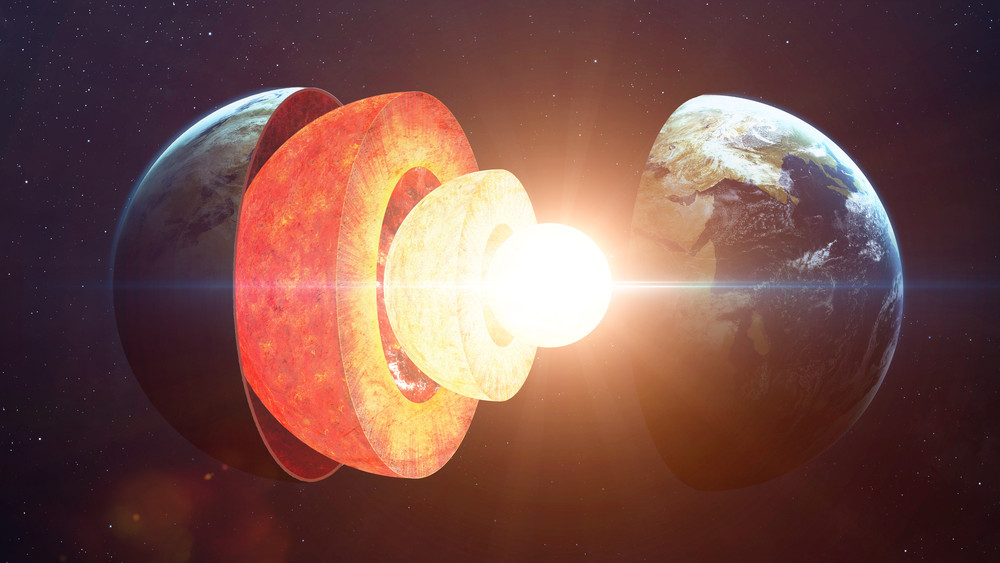
Enhanced geothermal energy seeks to make power generation viable anywhere on Earth by digging deep enough to access heat from the Earth’s core. While traditional geothermal energy is already used in places like Iceland, where about 85 percent of houses are heated by the technology, these resources are limited to geologically anomalous areas. Enhanced geothermal initiatives aim to overcome this limitation by utilizing hydraulic fracturing to reach extreme depths where thermal heat is naturally abundant.
University of California Irvine engineer Mohammad Javad Abdolhosseini Qomi explained the mechanics of this process in a recent UC Newsroom article. He noted that drilling down three, four, or even six kilometers reaches a point where the crust is uniformly hot. From there, operators can drill horizontally, create fractures, and pipe in water. The rock heats the water, turning it into steam that runs turbines to generate electricity.
Industry and Government Backing
The U.S. Department of Energy is expressing strong confidence in the potential of geothermal energy to reshape the nation's power mix. Projections from the agency indicate that enhanced geothermal projects could provide approximately 90 gigawatts of carbon-free energy in the United States by 2050. This capacity is enough to power at least 65 million homes. The University of California project is supported by the U.S. Department of Energy’s Genesis Mission.
Private companies are also moving to commercialize these technologies. Some firms are employing techniques from nuclear fusion, using a vacuum-tube gyrotron to vaporize rock molecules with high-frequency electromagnetic waves down a borehole.
Major Tech Commitments
Quaise Energy signed a major power purchase agreement with Google to supply 50 megawatts of superhot geothermal power. The deal is scheduled to begin as soon as 2030 and stands as a significant vote of confidence in the nascent sector.
Despite the progress, challenges remain in scaling these technologies. Qomi emphasized that while there is more than enough potential geothermal energy underground to power the entire United States, unlocking it safely and economically is still a major challenge. Scientists and researchers are currently working to bring enhanced geothermal out of lab-based modeling and into the market.
Key developments in the sector include:
- The U.S. Department of Energy projects 90 gigawatts of enhanced geothermal capacity by 2050, sufficient for 65 million homes.
- Quaise Energy has a power purchase agreement with Google for 50 megawatts of power starting in 2030.
- The University of California project is backed by the U.S. Department of Energy’s Genesis Mission.
Something wrong in this story, or about you in it?Request a correction or removal