Study finds renewable energy transition reduces total material extraction compared to fossil fuels
A 2023 analysis indicates that a shift to renewables lowers overall ore extraction needs, challenging the notion that clean energy simply swaps one mining boom for another.
- A 2023 Joule study modeled that combined energy-related ore and coal extraction in 2040 remains well below 2021 coal extraction levels.
- The research estimates ore extraction for EV batteries could grow 55-fold from 2021, while solar and wind see 13-fold and ninefold increases respectively.
- The IEA projects that expanded recycling could reduce new mining requirements by 25–40% by 2050 in a scenario meeting national climate pledges.
- The World Energy Employment 2025 report suggests targeted retraining could help approximately two-thirds of oil and gas supply workers transition to other energy activities.
The global shift toward renewable energy is frequently characterized as a direct substitution of extraction industries. Critics often argue that moving away from coal and oil merely replaces one form of resource digging with another, requiring massive quantities of lithium, copper, and nickel. While it is true that new mines will be required for these specific metals, a deeper analysis suggests the overall material demand of the energy system will decrease.
A 2023 analysis published in the journal Joule by Joey Nijnens, Paul Behrens, Oscar Kraan, Benjamin Sprecher, and René Kleijn provides a quantitative framework for this shift.
The Physics of Extraction
Fossil fuels are consumed to release energy, necessitating continuous, repeated extraction, transport, and combustion. Every shipment of coal or oil supports a new cycle of production. In contrast, materials like copper in electrical cables perform a service over decades without being consumed as fuel.
This distinction means the economy shifts from continuously extracting energy carriers to building and maintaining productive equipment. Primary material demand is highest during the construction phase. Once these assets mature, the focus shifts to replacement, expansion, and recovery. This structural change reduces the ongoing volume of extraction required to sustain the same level of energy services.
The study highlights several key metrics regarding this transition:
- Ore extraction for EV batteries is projected to grow 55-fold from 2021 levels under the modeled scenario.
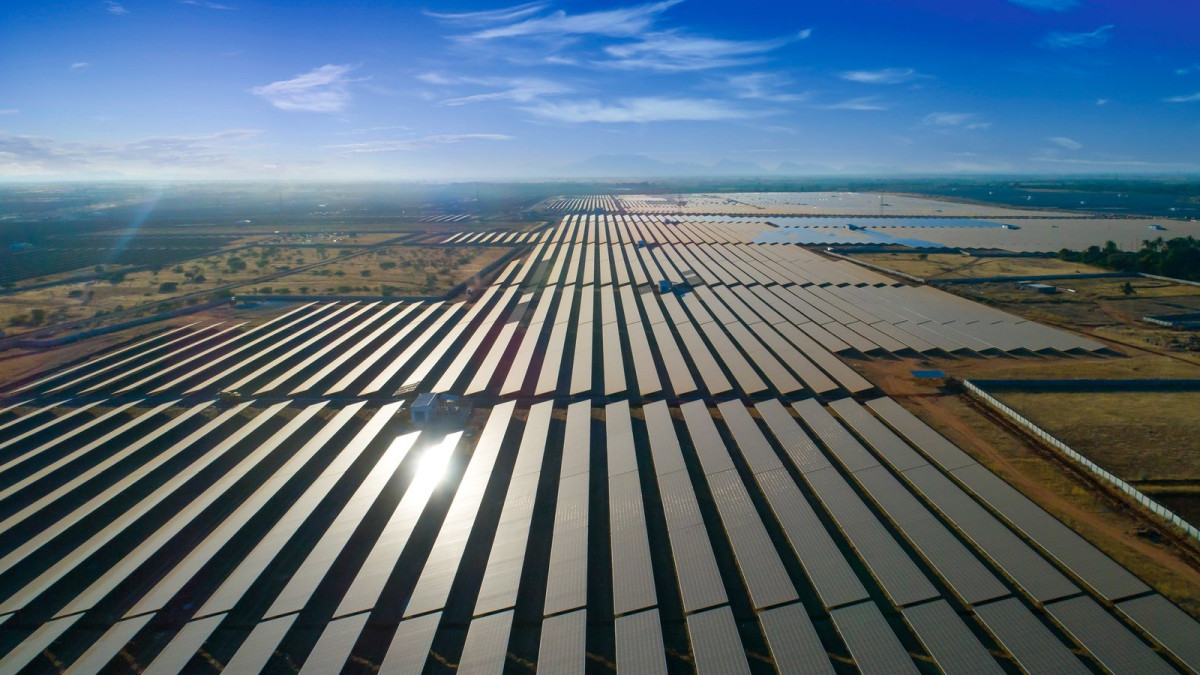
- Solar energy infrastructure extraction is estimated to increase 13-fold from 2021 levels.
- Wind energy infrastructure extraction is projected to rise ninefold from 2021 levels.
- Despite these increases, total energy-related ore and coal extraction in 2040 remains below 2021 coal extraction alone.
The Role of Recycling and Efficiency
Recycling plays a critical role in further reducing the need for virgin material extraction. The IEA estimates that successful expansion of recycling could lower new mining requirements by 25–40% by 2050 in a scenario that meets national climate pledges. This reduction is measured against the requirements without recycling expansion, not necessarily against current production levels.
However, recycling does not eliminate mining entirely. Materials are lost during collection, and a rapidly expanding system requires more inputs than its retiring equipment can provide. A battery installed today cannot simultaneously supply recycled material for another battery tomorrow. Nevertheless, the direction of travel favors reduced virgin demand. Smaller batteries, longer equipment lifespans, and more efficient infrastructure use can further decrease requirements for virgin inputs.
Implications for Industry and Workforce
The economic implications for the mining and energy sectors are distinct. Diversified mining groups may find opportunities in copper and other electrification materials, while fossil-focused businesses face a more difficult adjustment. Assets such as coal railways and LNG terminals are not interchangeable with lithium refineries, requiring different locations, customers, and technical specifications.
Workforce transitions present similar complexities. The IEA’s World Energy Employment 2025 report estimates that targeted retraining could help around two-thirds of oil and gas supply workers move readily into other energy activities. Coal miners, however, have fewer straightforward transfer pathways and require more specialized support.
Environmental and Strategic Considerations
A reduction in total extraction mass does not automatically resolve local environmental concerns. The Netherlands Environmental Assessment Agency emphasizes that mining impacts vary based on ore grades, processing methods, and local conditions. Tailings failures, contaminated water, and ecosystem damage remain serious risks regardless of global mass balance improvements.
Security of supply also depends on more than just mineral deposits. The IEA’s 2026 minerals outlook identifies continuing concentration risks and an imbalance between new mining projects and downstream processing capacity. Security requires refineries, expertise, and diversified suppliers. The central challenge for the industry is not simply finding new commodities to sell, but deciding whether to remain an extraction business, move into processing and recovery, or build a different energy business altogether.
Future Outlook
The transition offers a world that delivers more useful energy while continuously extracting less material. However, this outcome is not automatic. Building renewables while continuing to expand fossil extraction would add material demands together. The reduction in extraction depends on the replacement actually happening.
Companies are advised to test new business lines while existing operations still generate cash. Governments are urged to begin regional investment, training, and income-transition planning before closures become emergencies. The resource business will not disappear, but its sources of value are shifting toward processing capability, product quality, and recovery rather than mere volume.