Image: © OilPrice.com
Canada Diversifies Energy Exports Amid U.S. Tariff Tensions
Canada is rapidly expanding energy infrastructure to reduce reliance on the U.S. market, securing major LNG deals with Germany and accelerating a Pacific pipeline project following increased American tariffs.
- Canada aims to direct 55% of natural gas exports to non-U.S. markets by the mid-2030s.
- Germany's Uniper signed a 20-year agreement for liquefied natural gas from a British Columbia terminal.
- Alberta introduced a preferential royalty framework to double oil sands output to eight million barrels per day by 2035.
- Canada and China expanded their bilateral trade agreement, removing tariffs on approximately $400 million in additional exports.
In 2024, the U.S. purchased virtually all of Canada’s natural gas exports, but Ottawa has set a target to divert 55% of those volumes to international buyers by the mid-2030s.
The two leaders expanded their existing bilateral trade agreement, which already restored market access for over 90% of Canadian exports previously constrained by Chinese tariffs. As part of this expansion, China agreed to eliminate or lower duties on roughly $400 million in additional Canadian goods, such as frozen pork and seafood. In return, Canada extended tariff exemptions on specific Chinese steel and aluminum products for two more years and added relief for 32 additional items in short domestic supply.
Infrastructure Development and Investment
To support this new export trajectory, the Canadian government has designated the proposed West Coast Oil Pipeline, now renamed Pacific Link, as a Project of National Interest under the federal Building Canada Act. The infrastructure project is designed to transport up to one million barrels of Alberta crude daily from the interior to a deepwater terminal near Delta, British Columbia. The estimated cost for the 1,250-kilometer route, which will largely follow the Trans Mountain corridor, ranges between 35.2 billion and 43.7 billion Canadian dollars.
The following entities are central to the project's development:
- Ottawa and the province of Alberta will share equal ownership stakes in the pipeline.
- Trans Mountain Corporation has been appointed to lead the overall development process.
- Pembina Pipeline Corporation has joined as a private investor, holding a 10% economic interest during the construction phase.
LNG Contracts and Production Incentives
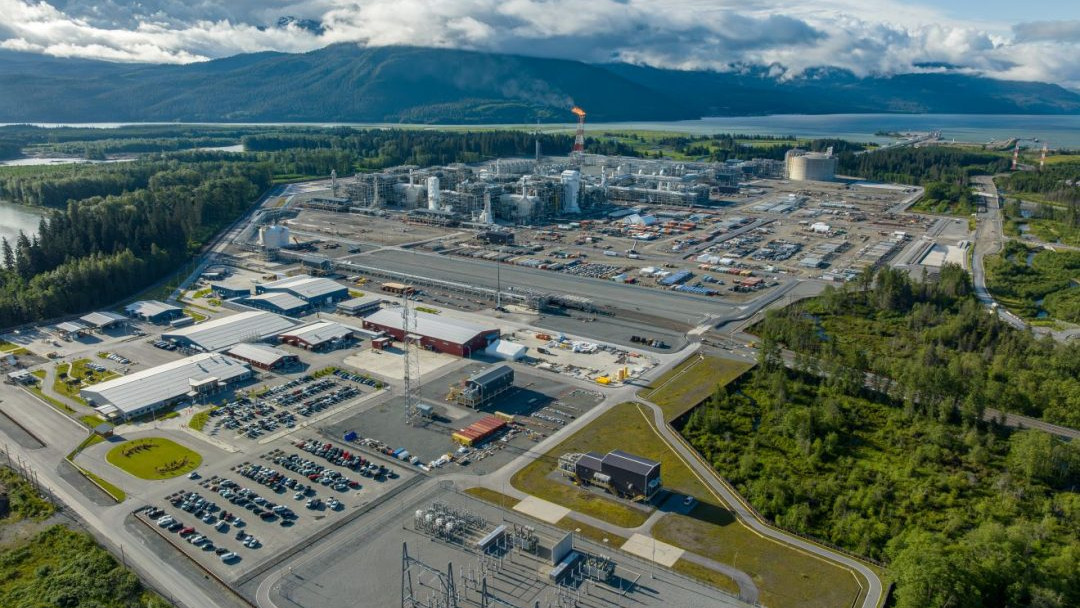
Germany’s state-owned utility Uniper recently signed a 20-year agreement to purchase up to two million metric tons of LNG annually starting in 2032. This contract is tied to the Ksi Lisims LNG project, a development led by the Nisga’a Nation in British Columbia. Additionally, the federal government committed $200 million over three years to expand the Woodfibre LNG plant near Squamish, increasing its capacity by nearly 25% to 2.6 million tonnes per year.
The framework is designed to help the province double its output to eight million barrels per day by 2035. Projects that add at least 5,000 barrels per day of capacity will pay a 2% gross revenue royalty for their first five years of production. The royalty rate then increases by one percentage point annually, reaching 6% in years nine and ten. Alberta estimates that achieving the 2035 output target could generate approximately 205 billion Canadian dollars in additional government revenue by 2040 and more than $1.3 trillion by 2060.
Trade Tensions and Diplomatic Context
The push for energy diversification comes against a backdrop of heightened trade friction with the United States. President Donald Trump has imposed sweeping tariffs on Canadian goods, including a 50% levy on roughly $20 billion worth of products and specific tariffs on cars, auto parts, and steel set to take effect on January 1, 2027. Prime Minister Carney has responded with retaliatory tariffs while simultaneously pursuing trade deals with other economies.
During the APEC summit, Carney also held a brief meeting with President Trump on the sidelines. The Canadian Prime Minister’s office stated that the two discussed ongoing efforts to reach a mutually beneficial trade agreement. Trump is scheduled to hold a trilateral meeting with Chinese President Xi Jinping and Russian President Vladimir Putin on Thursday, where nuclear weapons reduction is expected to be a topic of discussion.