ADNOC restricts tanker access near UAE oil hubs
Abu Dhabi National Oil Co. limits vessel entry near Ruwais and Das Island to protect infrastructure from regional attacks, raising security concerns.
- ADNOC’s Petroleum Ports Authority issued a notice prohibiting tankers from entering or crossing waters near the Ruwais refinery complex.
- The restrictions apply to vessels carrying crude, oil products, liquefied gases, and chemicals unless they have approved business at ADNOC-PPA ports.
- Burak Cetinok of Arrow Shipping stated the move is a security measure following recent attacks, with no direct impact on Hormuz flows.
- The UAE previously closed beaches last month due to an oil spill that raised environmental and health concerns.
- Iran has increased targeting of tankers in the Strait of Hormuz, leading to vessel damage, sinkings, and seafarer casualties.
The United Arab Emirates has implemented new limitations on maritime traffic near its primary oil and gas export facilities. The measures aim to shield these assets from escalating hostilities in the Persian Gulf region.
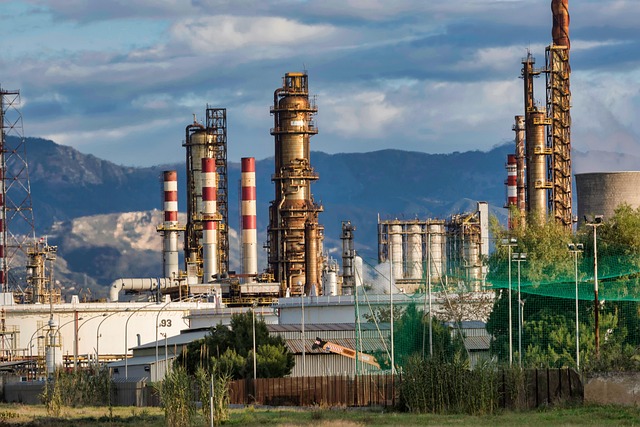
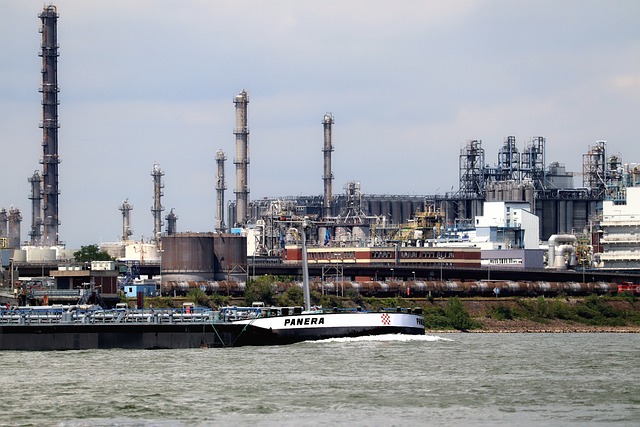
The notice, issued by the Petroleum Ports Authority (PPA), specifically targets waters surrounding the Ruwais refinery complex. It also covers loading terminals located on Das Island. According to the document, oil tankers and vessels transporting liquefied gases or chemicals are barred from entering, stopping in, or crossing these designated zones. Exceptions apply only to ships calling at or conducting approved business with ADNOC-PPA ports and terminals. Emergency assistance crews, including those involved in rescue or pollution-response operations, remain exempt from the ban.
Regional Context and Market Impact
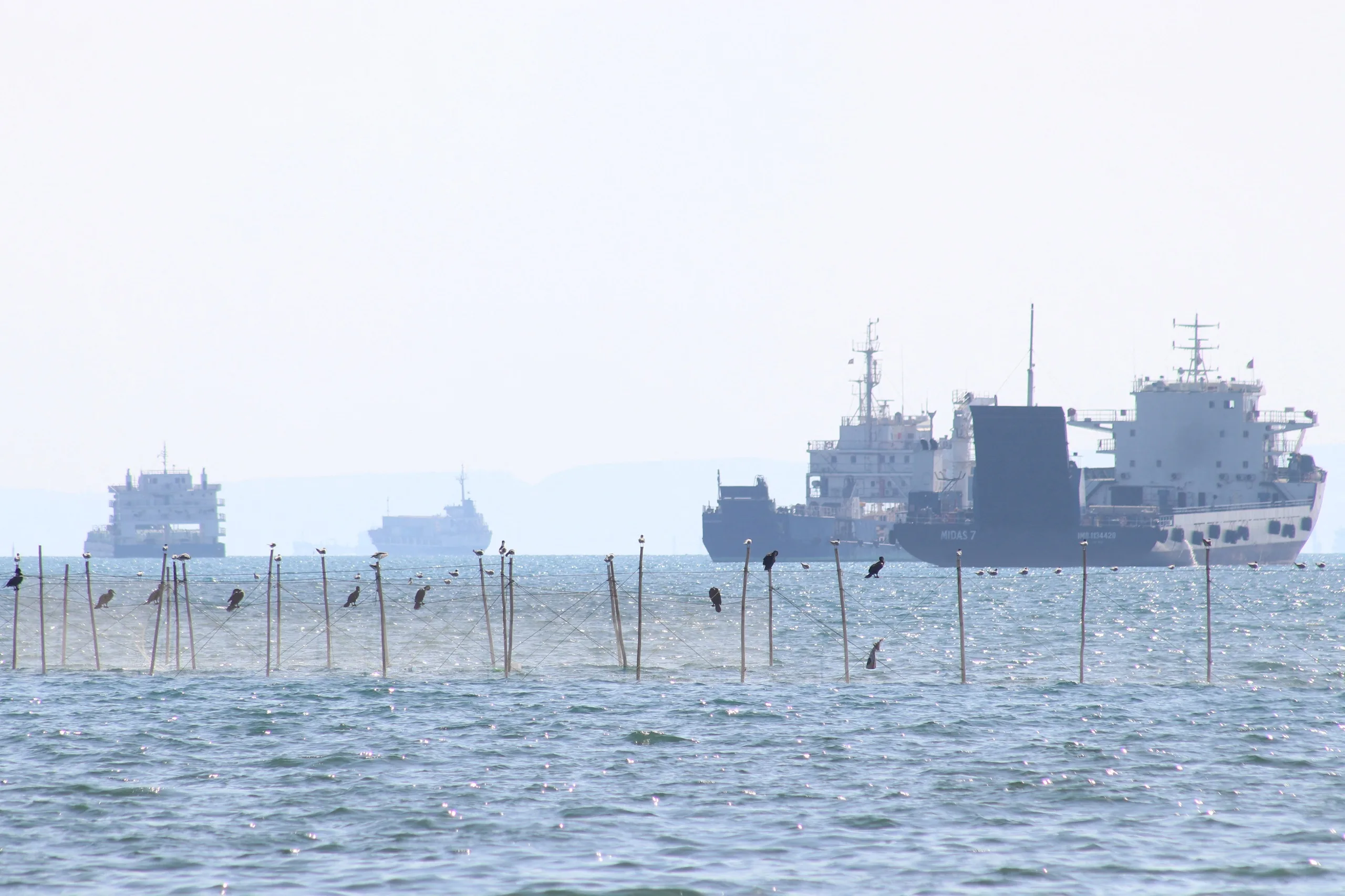
The decision follows a period of intensified attacks on vessels in the area. Iran has ramped up its targeting of tankers navigating the Strait of Hormuz in recent months. While a steady flow of vessels has managed to traverse the waterway. Seafarer casualties have mounted as tankers, often transiting covertly, have been damaged or sunk. Some incidents have resulted in cargo spills, including an event last month that forced the UAE to close several beaches due to environmental and health risks.
Burak Cetinok, head of research at Arrow Shipping & Energy, characterized the ADNOC move as a security precaution. He noted that the restrictions do not appear to have direct implications for flows through the Strait of Hormuz or for legitimate tanker operations. Cetinok emphasized that the primary concern remains the renewed disruptions within the strait itself. The waters beyond the chokepoint have become a critical location for shuttle trade, where tankers transfer cargoes to support exports during the ongoing war.
Operational Details and Exemptions
The temporary limits focus on areas controlled by the Abu Dhabi National Oil Co.’s Petroleum Ports Authority. The notice details specific curbs for the Gulf waters near Ruwais and Das Island. It does not mention Fujairah, a major UAE oil and shipping hub located outside the Gulf.
The following key elements define the restriction:
- Vessels carrying crude oil and refined products are prohibited from entering specified waters.
- Ships transporting liquefied gases and chemicals face the same entry bans.
- Only vessels with approved business at ADNOC-PPA ports are allowed to operate in the zones.
- Emergency response teams for rescue and pollution control are exempt from the curbs.
ADNOC did not immediately respond to requests for comment regarding the new security measures.
Something wrong in this story, or about you in it?Request a correction or removal