Image: © FXStreet
Oil prices rebound as Houthi attacks and Strait of Hormuz incidents raise supply fears
Crude oil prices recovered from earlier declines as Houthi missile strikes on Saudi Arabia and tanker explosions in the Strait of Hormuz reignited concerns over Middle Eastern supply disruptions, countering forecasts of a global surplus.
- The International Energy Agency projects a global supply surplus of roughly 2 million barrels per day for the current quarter, a view echoed by Goldman Sachs.
- US Energy Secretary Chris Wright stated that oil flows through the Strait of Hormuz have reached record levels despite the regional incidents.
- Houthi missile strikes on Riyadh targeting the financial district, sovereign wealth fund, and a Jubail petrochemical plant.
Crude oil prices staged a recovery on Friday, reversing a decline that had begun earlier in the week as fresh reports of conflict in the Middle East overshadowed bearish supply forecasts. West Texas Intermediate (WTI) traded near $83.00 per barrel during Asian hours, while Brent crude climbed 0.8% to USD 92.68. Market participants are currently weighing the immediate threat of shipping disruptions against emerging evidence of a broader physical market shift toward surplus.
Geopolitical Escalation in the Middle East
The rebound in prices follows a series of aggressive moves by the Iran-aligned Houthi movement and reports of naval incidents in critical shipping lanes. On Thursday, the Houthis launched missile attacks targeting Riyadh, the capital of Saudi Arabia. Media reports indicated that strikes hit targets within the city’s financial district, the headquarters of the country’s sovereign wealth fund, and a petrochemicals company in Jubail.
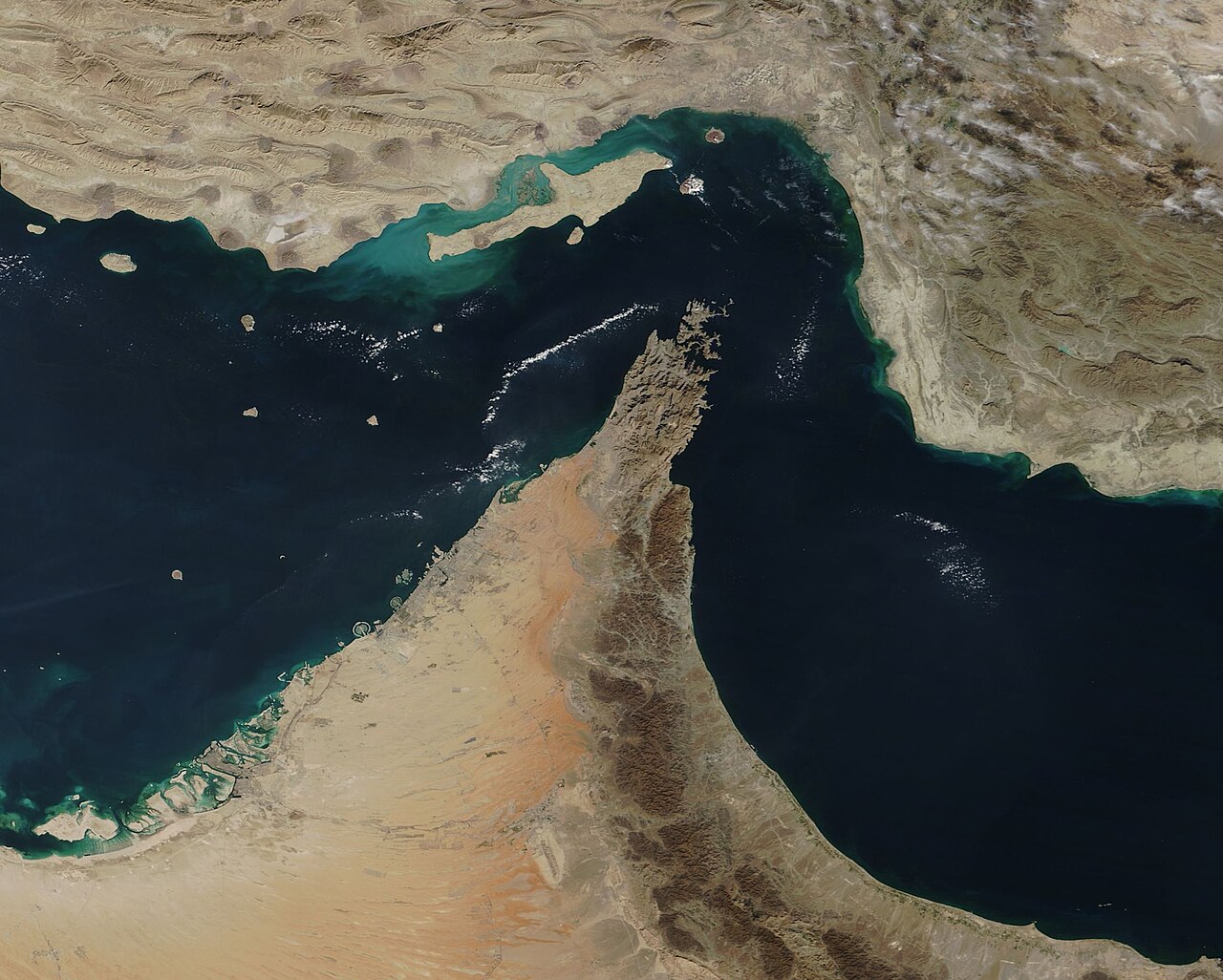
Concurrently, Iran’s Islamic Revolutionary Guard Corps (IRGC) reported that tankers are striking mines in the Strait of Hormuz on a daily basis this month. The IRGC stated that vessels are attempting to avoid the Iran-controlled corridor in the waterway. On Thursday, the military reported two specific incidents where tankers struck mines, resulting in explosions and burning vessels, as carried by Reuters. These events have heightened fears of transit interruptions in one of the world's most critical energy chokepoints.
Supply Surplus Projections
Despite the immediate geopolitical risks, broader supply indicators suggest significant production growth and potential market surpluses. The International Energy Agency projects a global supply surplus of roughly 2 million barrels per day for the current quarter. This outlook extends into next year, a trend echoed by warnings from Goldman Sachs regarding a possible oversupply.
Investment banks have previously claimed the oil market was already oversupplied as Persian Gulf exports rebounded to pre-war levels and even exceeded them. There is a prevailing perception of major demand destruction in energy commodities driven by the conflicts in the Middle East and Ukraine.
Diverging Views on Flow Data
Analysts note a divergence between official flow data and on-the-ground reports regarding transit volumes. US Energy Secretary Chris Wright noted that oil flows through the Strait of Hormuz have actually reached record levels alongside recovering Middle Eastern output. Furthermore, the United States, China, and Russia reached a trilateral agreement on Thursday to boost the production and supply of refined petroleum products.
However, oil and gas flow trackers have repeatedly noted that exports out of the Persian Gulf have not yet returned to pre-war levels. According to some data, these flows have declined since a major reported rebound in September. This downturn coincides with Iran stepping up the enforcement of its own rules for transiting the strait in October and November.
Market Outlook and Policy Responses
Analysts at Commerzbank reported that while Brent crude prices gained ground, upside is tempered by emerging evidence of looser fundamentals. The benchmark remains supported by ongoing Middle East shipping disruptions, but the broader market shift toward surplus limits significant rallies.
President Donald Trump stated he is in no rush to decide regarding Iran, even as recent reports point to a growing likelihood of further US strikes.
Key factors influencing the current price action include:
- Houthi missile strikes on Riyadh targeting the financial district, sovereign wealth fund, and a Jubail petrochemical plant.
- IRGC reports of daily mine strikes on tankers in the Strait of Hormuz, including two explosions on Thursday.
- International Energy Agency projections of a 2 million barrel per day global surplus for the current quarter.
- Trilateral agreement between the US, China, and Russia to increase refined petroleum product supply.
- Divergent data showing Persian Gulf exports below pre-war levels despite claims of record flow volumes.