Enserva warns labor shortages threaten Canada’s oil and gas growth
The Canadian Energy Services Association reports strong long-term growth potential for the upstream sector driven by new infrastructure, but cautions that labor shortages and inflationary pressures could derail momentum.
- Total drilling activity in Canada’s oil and gas industry is projected to rise by 2% in 2026 and 4% in 2027.
- The federal government designated the new 1-million-barrels-per-day oil pipeline to the West Coast as a project of national interest.
- Energy services employment has dropped in Alberta and British Columbia, with Saskatchewan being the only province to see growth since September 2025.
- Enserva President Gurpreet Lail stated that major projects and emerging industries are competing for the same skilled workforce.
The Canadian oil and gas services sector is experiencing a significant shift in outlook, with the Canadian Energy Services Association Enserva identifying major upside potential and long-term growth momentum for the first time in years. This optimism stems from expanded energy infrastructure designed to export oil and liquefied natural gas (LNG) beyond traditional markets. Producers and service companies are responding by increasing drilling and extraction activities, according to the association’s 2026-27 State of the Industry Report released this week.
Higher oil and gas prices, combined with supportive fiscal and regulatory changes from federal and provincial governments, have revitalized confidence in the upstream sector. New investments are being driven by the construction of a new oil pipeline to the West Coast and the startup and expansion of LNG export facilities. These projects aim to reduce the industry's high dependence on exports to the United States by diversifying destinations for crude oil volumes.
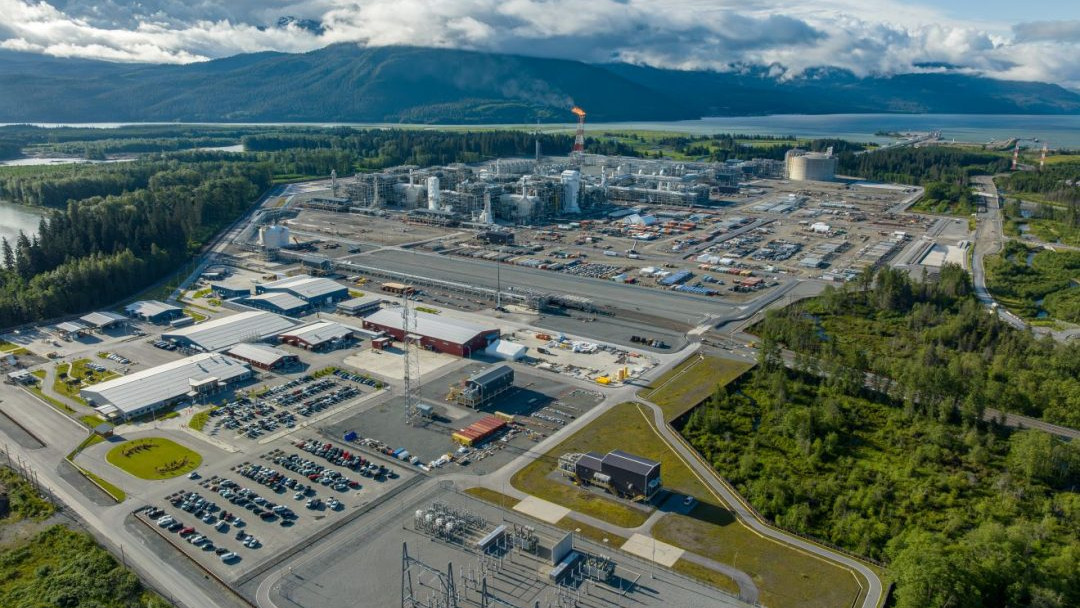
The federal government recently designated the 1-million-barrels-per-day oil pipeline to the British Columbia coast, a project advanced in partnership by Canada and Alberta, as a project of national interest. This designation is intended to fast-track development. Additionally, the startup of the Woodfibre and Cedar LNG facilities, a potential final investment decision for Ksi Lisims LNG, and the announced expansion of LNG Canada are expected to drive demand for gas drilling and service rig activity.
Drilling Activity and Sector Specifics
Enserva’s report outlines specific growth trajectories for different segments of the industry. Total drilling activity is set to rise by 2% in 2026 and by 4% in 2027. Natural gas drilling is expected to see a more pronounced rebound, rising by 7% in 2027 after two years of lower activity in 2025 and 2026. This increase is attributed to the aforementioned LNG projects, as well as rising demand from data center buildouts and increased oil sands production.
In the oil sands, drilling activity is projected to remain flat in 2026 before increasing by 2% in 2027, following a 2% decline in 2025. The expansion of egress for oil sands via new and expanded pipelines is expected to encourage further investment in this sector. Conventional oil drilling is also forecast to recover, rising by 3% in 2026 after a 13% slump in 2025, with a further 4% expansion in 2027 driven by higher prices linked to geopolitical conflicts.
Labor Constraints and Workforce Challenges
Despite the positive outlook, Enserva has identified labor shortages as a critical constraint to growth. Energy services employment has declined in Alberta and British Columbia over the past year, while Saskatchewan remains the only province to show growth since September 2025.
Energy Safety Canada forecasts that the service sector may face labor shortages as early as 2027, complicating the industry's ability to meet the demands of advancing projects. The reduced workforce in key provinces poses a significant challenge to realizing the sector's growth ambitions.
Gurpreet Lail, President and CEO of Enserva, emphasized the urgency of addressing these workforce issues. He stated: “The opportunity ahead is significant, but with major projects advancing and emerging industries competing for the same skilled workforce, we need to act now to ensure Canada’s nation-building ambitions become reality.”
Additional Headwinds
Beyond labor, the industry faces other potential obstacles. Inflationary cost pressures continue to impact operational expenses. The association also highlighted the impact of Canada-U.S. trade relations on the sector's stability. Furthermore, Enserva warned of potential long-term demand destruction if conflicts in the Middle East persist, which could affect global energy markets and Canadian export strategies.
Key factors influencing the sector's trajectory include:
- The designation of the 1-million-bpd West Coast pipeline as a project of national interest to accelerate development.
- A projected 7% rise in natural gas drilling in 2027 driven by LNG export expansions and data center demand.
- A forecasted 3% rebound in conventional oil drilling in 2026 following a significant slump the previous year.
- Employment declines in Alberta and British Columbia contrasting with growth in Saskatchewan since late 2025.
- Warnings from Energy Safety Canada regarding potential labor shortages emerging as early as 2027.
Something wrong in this story, or about you in it?Request a correction or removal