Image: © The Guardian
Falklands oil project faces legal and environmental hurdles amid sovereignty dispute
Navitas Petroleum and Rockhopper Exploration’s Sea Lion oil project in the Falklands faces injunctions and environmental scrutiny as Argentina challenges UK-backed development.
- Navitas Petroleum and Rockhopper Exploration plan 23 wells and a production vessel with a capacity of up to 55,000 barrels a day for the Sea Lion project.
- An Argentine federal judge ordered the companies to halt work until an environmental assessment is conducted by Argentine authorities.
- Environmental groups criticize the project’s use of seabird data that is more than 20 years old, contrasting it with five-year standards used in the North Sea.
- Argentina has imposed sanctions on 45 individuals and entities linked to the project and signed a decree tightening controls on unauthorized oil activities.
The order, issued by federal judge Mariel Borruto on 16 September, requires the companies to conduct an environmental assessment before Argentine authorities before proceeding. The injunction remains in force as of 29 October, though its practical enforcement is complicated by the fact that the islands remain under British administration.
The legal action was filed by the Argentine Association of Environmental Lawyers (AAdeAA) and the La Plata Falkland Islands Ex-Combatants Centre, an organization of veterans from the 1982 war. The dispute has also reached the International Tribunal for the Law of the Sea in Hamburg, where Argentina claims the Sea Lion project breaches its sovereignty and should be suspended.
Environmental Concerns and Data Criticism
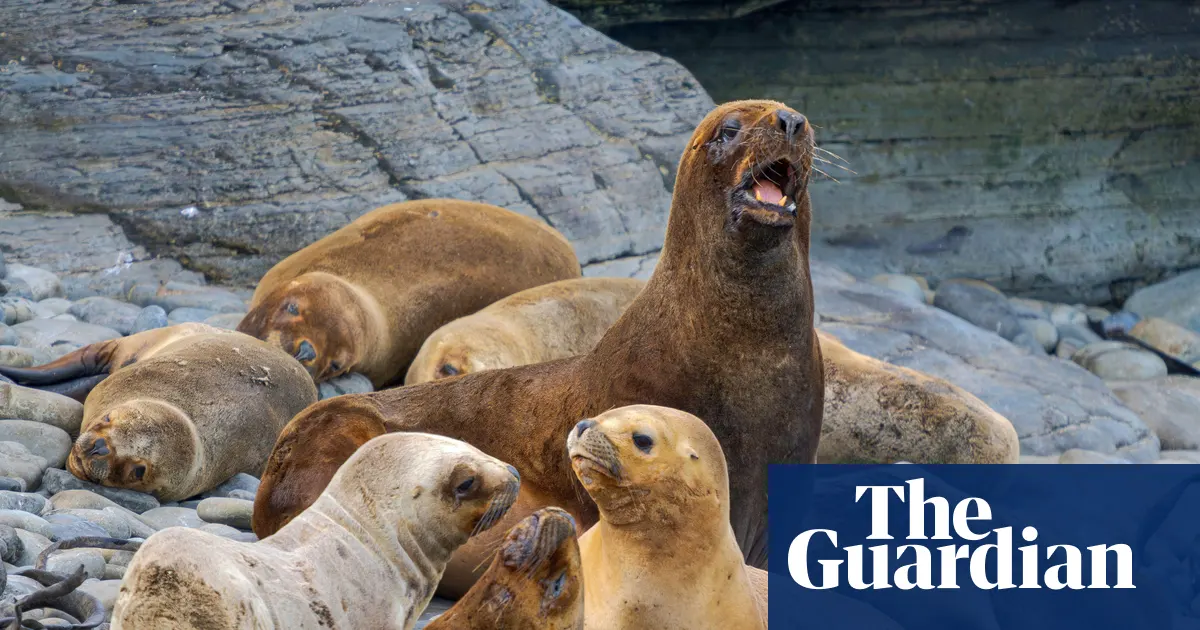
Environmental organizations have raised serious concerns regarding the ecological impact of the Sea Lion project on one of the Atlantic’s richest ecosystems. The Patagonian shelf, where the islands are located, supports large colonies of albatrosses, penguins, sea lions, and southern right whales. A 2019 study estimated that the archipelago supports approximately three-quarters of the world’s black-browed albatross population and significant portions of other seabird and marine mammal populations.
Falklands Conservation, a local environmental group, has questioned the scientific data used in the project’s environmental impact statement. Navitas acknowledged in a revised statement from July 2025 that some survey data was 24 years old but argued it remained useful for identifying broad distribution patterns.
The potential environmental threats extend beyond the risk of major accidents. Navitas’s assessment rates residual impacts from artificial lighting, underwater noise, drill cuttings, and vessel collisions as moderate.
Project Details and Industry Response
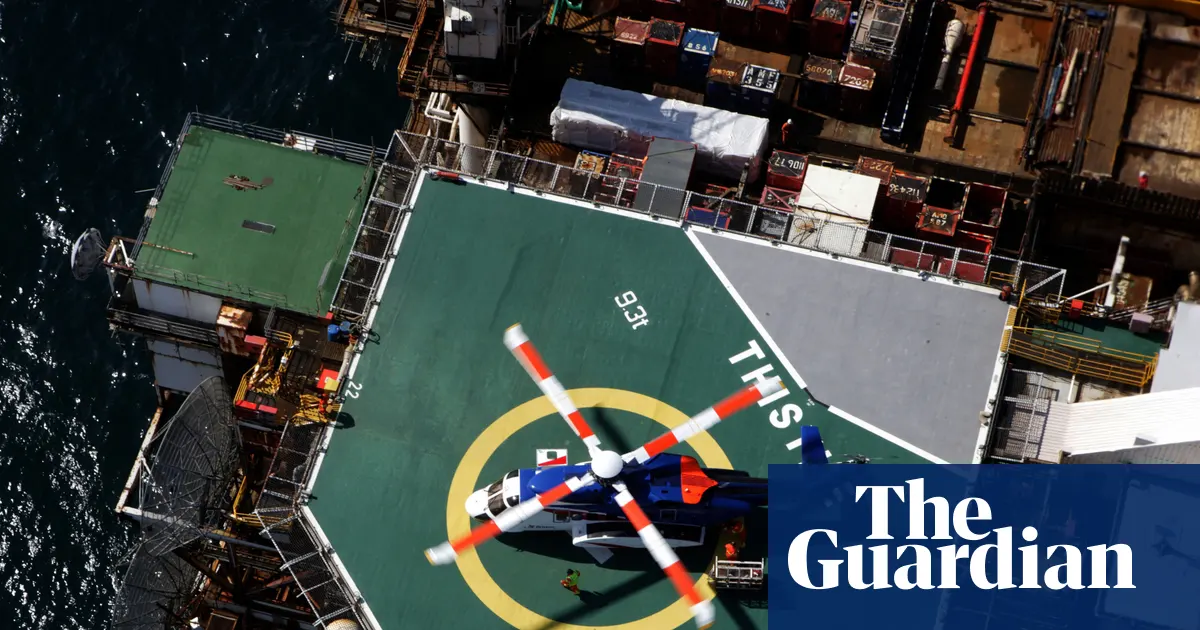
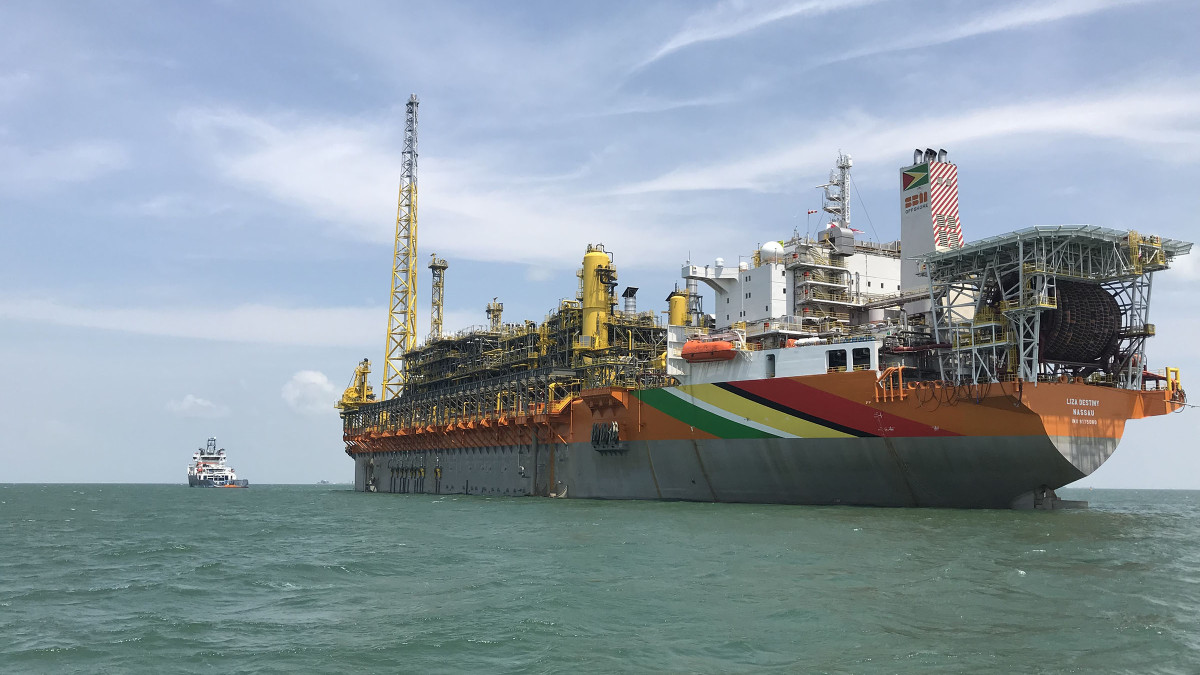
The Sea Lion project is a major deepwater development located about 130 miles north of the Falkland Islands. Operated by Navitas Petroleum in partnership with Rockhopper Exploration, the plan involves drilling 23 wells in its first two phases. Oil will be processed and stored onboard the Aoka Mizu, a production vessel with a planned capacity of up to 55,000 barrels a day.
Navitas stated that it would not comment on allegations until the International Tribunal for the Law of the Sea rules on the case. Rockhopper Exploration declined to comment, directing inquiries to the project operator.
Political and Economic Context
The Argentine government has taken strong political and legal measures against the project, citing sovereignty rather than environmental concerns. On 3 September, President Javier Milei signed a decree requiring companies to declare compliance with Argentine legislation governing oil and gas activities in the islands. The following day, the presidency announced sanctions against 45 individuals and entities allegedly linked to the activities, including companies associated with Navitas and Rockhopper.
The British government has not provided direct financial support for the Sea Lion project but offers political, diplomatic, and legal backing. London maintains that Falklands residents have the right to self-determination, including the authority to manage their natural resources. Ellie Reeves, the attorney general for England and Wales, stated that the territory would suffer devastating consequences if blocked from developing the offshore oilfield.
Key elements of the dispute and project structure include:
- Navitas Petroleum and Rockhopper Exploration are the primary operators planning 23 wells and a production vessel with a capacity of up to 55,000 barrels a day.
- Federal judge Mariel Borruto issued an injunction on 16 September halting work until an environmental assessment is conducted by Argentine authorities.
- President Javier Milei signed a decree on 3 September tightening controls on oil activities and announced sanctions against 45 linked individuals and entities.
- Falklands Conservation criticized the project’s use of seabird data that is more than 20 years old, contrasting it with five-year standards used in the North Sea.
The project represents a new frontier in the South Atlantic oil rush, driven by discoveries in the region such as Brazil’s large deepwater reserves.