Iraq intensifies oil smuggling crackdown with federal takeovers and arrests
Iraq's National Security Service has uncovered new oil smuggling operations, triggering a government crackdown that includes federal troop deployments, official dismissals, and constitutional disputes over regional authority.
- Iraq's National Security Service discovered a tapped pipeline in Al Luhais with hoses used to siphon oil into tankers.
- Officers in Kirkuk seized a modified vehicle containing white oil and arrested a suspect involved in derivative smuggling.
- Prime Minister Ali Al Zaidi ordered federal authorities to take over border crossings run by the Kurdistan Region.
- The government dismissed nine senior security and oil officials, including the police chief and Oil Pipelines Company director.
- The Kurdistan Regional Government rejected Baghdad's orders as unconstitutional while calling for an end to smuggling.
Iraq's domestic intelligence agency has reported the discovery of additional syndicates engaged in diverting the country's oil and crude derivatives. The National Security Service announced these findings on Wednesday as part of a broader government campaign aimed at curbing theft and smuggling across the nation.
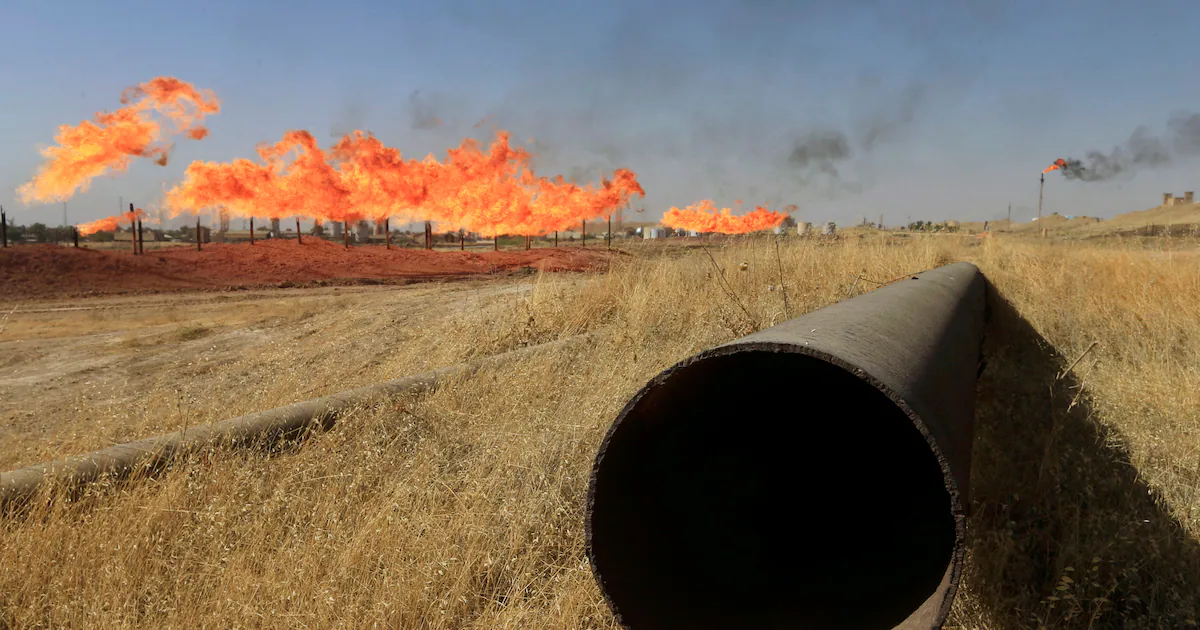
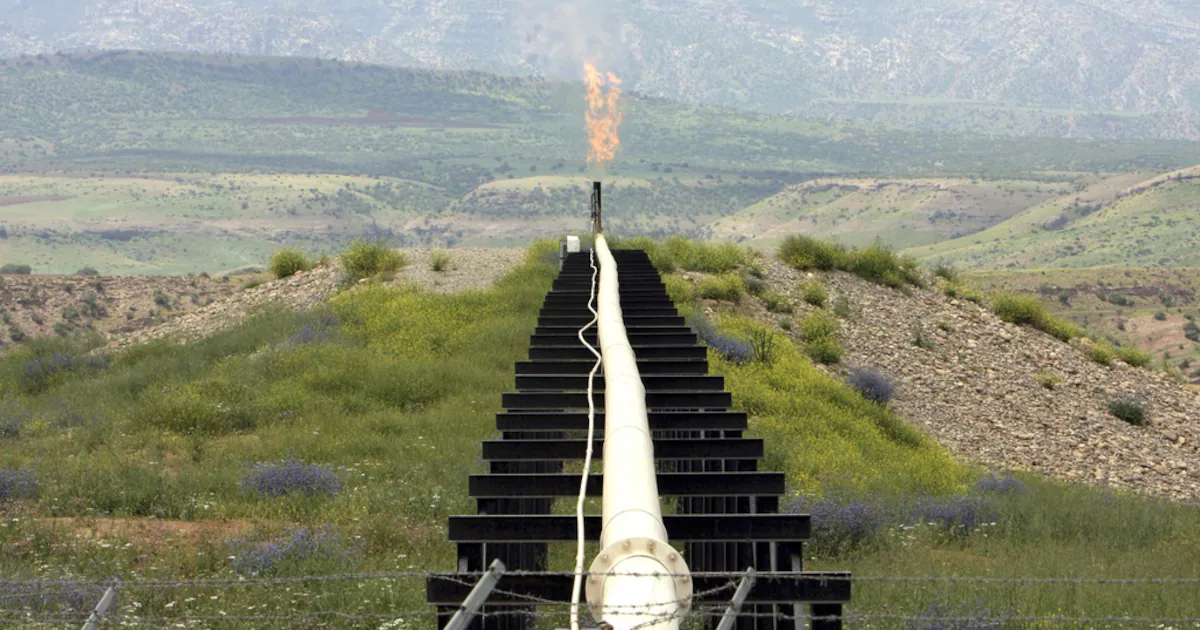
The agency identified a tapped oil pipeline in Al Luhais, located south of Baghdad. Three hoses were connected to the infrastructure via valves, a setup the service stated was being utilized to siphon oil and load it into tankers for illicit transport. The operation was shut down in coordination with technical authorities.
In a separate incident in the northern city of Kirkuk, officers intercepted a vehicle specifically modified with openings on its sides to facilitate the unloading of products. The vehicle's tank contained white oil, and the suspect associated with the vehicle was arrested. These actions follow a wider initiative launched by Prime Minister Ali Al Zaidi last week to combat oil theft.
The crackdown initially focused on Jurf Al Sakhar, approximately 60km south of Baghdad. Intelligence reports documented oil theft in this area between 2021 and 2026, revealing sites where oil was suspected to be stored underground or beneath steel structures. Investigators uncovered evidence that smugglers had punctured a pipeline in the area, concealed pumping equipment inside hangars to evade aerial surveillance, and constructed a small, hidden refinery.
The region has been restricted to federal institutions and residents since 2014, when the Iran-backed Kataib Hezbollah militia assumed control following operations against ISIS. The militia has denied allegations of involvement in the smuggling activities. In response to the findings, the government deployed federal troops to the area and dismissed nine senior security and oil officials.
The scope of the operation expanded to Najaf, where investigators identified a similar pattern of illicit activity. Authorities found a tap on a strategic pipeline and hidden pipes running to private land, alongside allegations of collusion among those responsible for guarding the network. The Supreme Judicial Council reported that an investigative judge inspected an encroachment on land belonging to a Najaf Provincial Council member who heads the Energy Committee, as well as his brother, a member of parliament.
Initial findings indicated that oil had been illegally diverted from the site. Consequently, the court ordered the detention of five officers and three Energy Police personnel pending further investigation. Arrest warrants were issued for the two brothers; one later surrendered, while the other reportedly fled to Iran.
The campaign has introduced a constitutional dimension in the north, where Prime Minister Al Zaidi ordered federal authorities to assume control of border crossings managed by the semi-autonomous Kurdistan Region. Additionally, the Oil Ministry was directed to manage oilfields under Kurdish security control in the provinces of Kirkuk, Nineveh, Diyala, and Salahuddin. This directive followed an investigation into alleged smuggling at the state-run North Oil Company.
The Kurdistan Regional Government rejected Baghdad's orders, labeling them unconstitutional. The regional administration stated it is collaborating with federal authorities to combat corruption and called for a unified effort to end oil smuggling across Iraq.
Key elements of the government's enforcement actions include:
- The dismissal of nine senior officials, including the police chief and the director of the Oil Pipelines Company.
- The deployment of federal troops to Jurf Al Sakhar to secure areas previously controlled by militia groups.
- The arrest of suspects in Kirkuk and the detention of security personnel in Najaf pending investigation.
- The order for federal authorities to take over border crossings and oilfields in northern provinces.
- The identification of hidden pumping equipment and concealed refineries used to avoid aerial surveillance.
Something wrong in this story, or about you in it?Request a correction or removal