Image: © The National
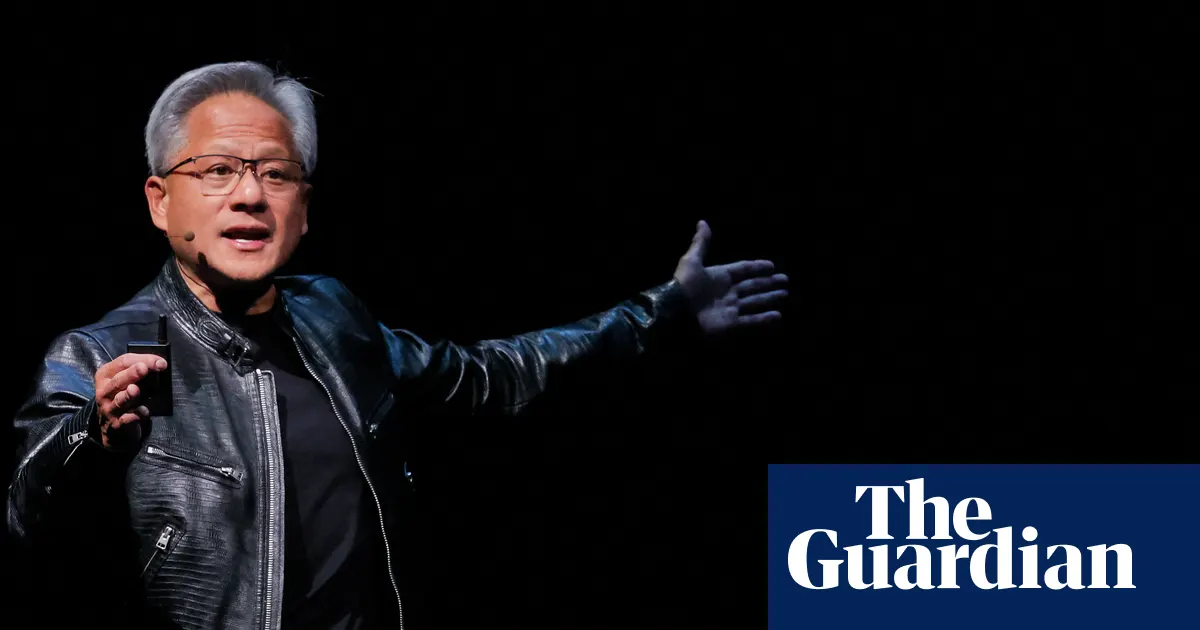
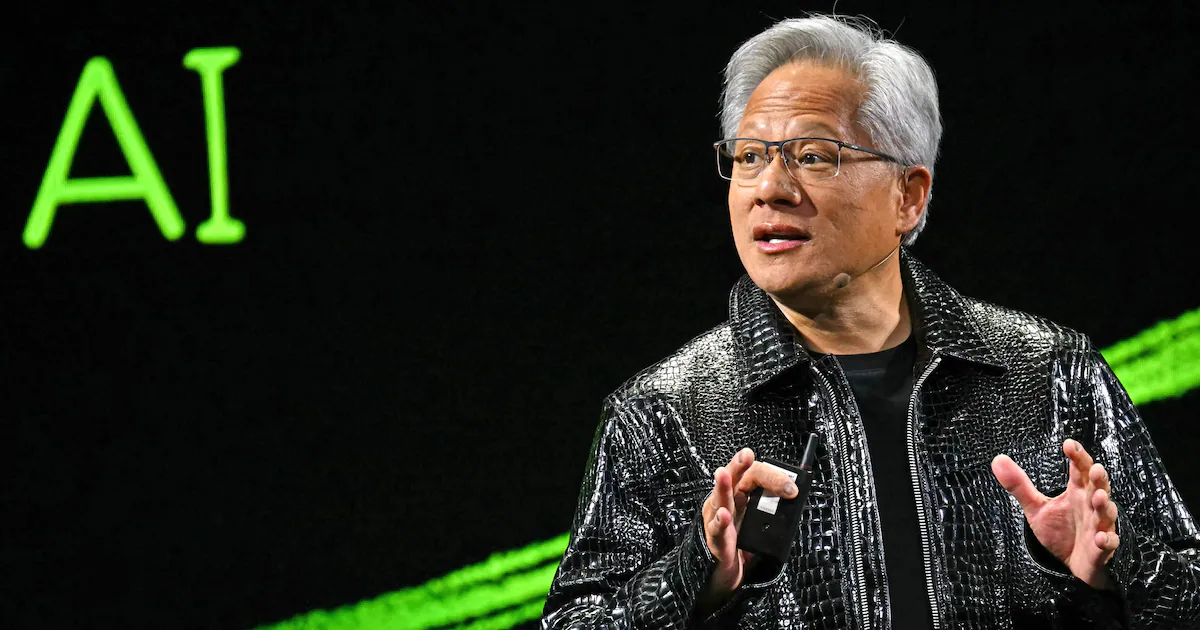
Nvidia leadership shakeup reshapes global AI power dynamics
Jensen Huang's departure as Nvidia chief creates uncertainty for Gulf and Chinese AI investments, shifting geopolitical leverage and raising questions about future infrastructure deals.
- Jensen Huang stepped down as Nvidia boss following an extramarital affair with Megaspeed executive Alice Huang, who is an alleged Chinese spy.
- Complications in discussions with Washington regarding access to advanced processors.
- A risk that Gulf investors may reconsider the terms of their commitments if Nvidia’s new management changes international priorities.
The Nvidia board has named Colette Kress as the interim chief executive.
Despite the high-profile exit, Nvidia’s board has stressed it is not considering reinstating the former chief executive, even as an online petition seeking his return has garnered support from figures including Elon Musk. US President Donald Trump has also expressed support for Huang’s return, while Treasury Secretary Scott Bessent stated that the next boss should come from outside the company.
Gulf Investments Face Uncertainty
Jensen Huang was instrumental in building personal relationships with governments and corporations that shaped these programs.
Irina Tsukerman, a geopolitical analyst in New York, explained that governments which negotiated directly with Huang will now have to establish relationships with new leadership. This process has the potential to delay projects and reopen agreements that previously appeared settled.
Mazen Hayek, a Dubai-based media consultant, suggested that the relationship between Nvidia, Europe, and the Gulf may become more transactional and compliance-driven. This shift could complicate discussions regarding access to advanced processors and technology partnerships.
Key concerns for the region include:
- Complications in discussions with Washington regarding access to advanced processors.
- A risk that Gulf investors may reconsider the terms of their commitments if Nvidia’s new management changes international priorities.
China’s Strategic Opportunity
For China, the leadership vacuum at Nvidia presents a significant strategic opportunity. While the US and China rivalry has long extended into economic and political realms, it has now spilled over into the AI sector. Beijing has the ambition, talent, and industrial capacity to challenge American dominance in the field.
Carlos Uraga, chief executive of Nantek, noted that the direct effect on chip sales is minimal since Nvidia holds virtually zero percent of the Chinese market due to US export controls. However, he emphasized that China’s gain is diplomatic. The West has lost its main advocate against fully cutting China off, allowing Beijing to frame the ouster as US paranoia.
Linda Sui, founder of Smart Analytics Global, indicated that Chinese companies may accelerate their shift toward domestic AI chips, particularly those from Huawei. However, she cautioned that China still faces major challenges in advanced chip manufacturing and the AI software ecosystem, meaning it is unlikely to gain a fundamental competitive advantage in the near term.
Regulatory and Geopolitical Scrutiny
The company is already facing examination over its compliance with US export restrictions, particularly concerning Megaspeed’s alleged dealings with Chinese customers.
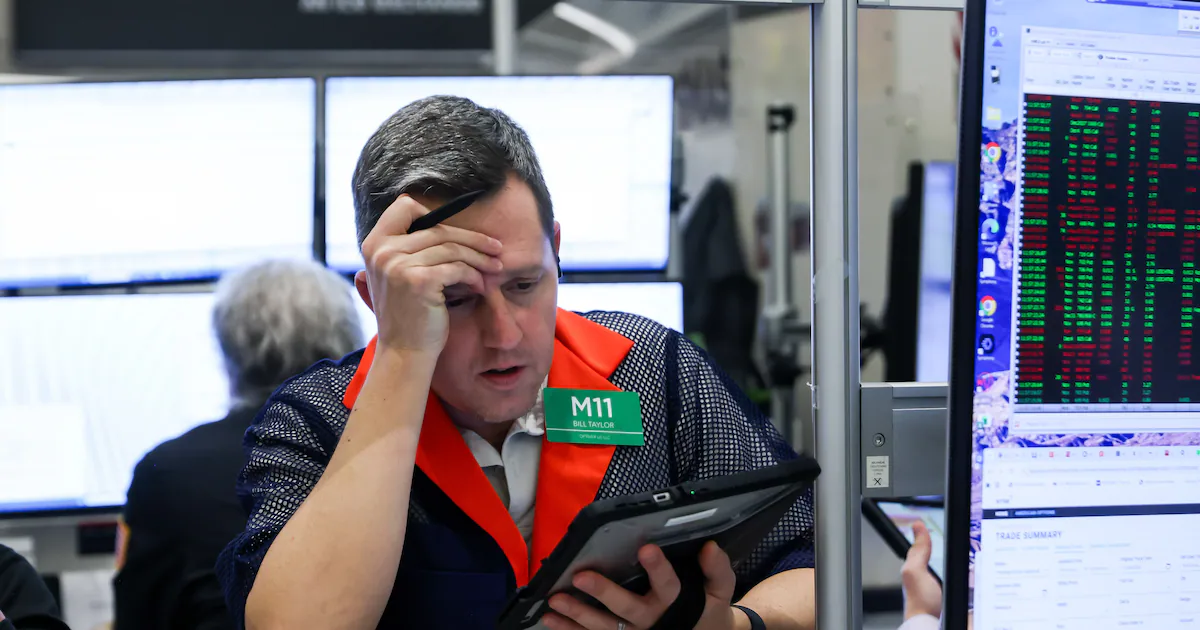
JPMorgan’s global investment outlook for 2027 highlights that regulations will be a determining factor for whether capital spending for AI build-outs, which is currently running in the trillions, continues to grow.
Irina Tsukerman believes Beijing could encourage governments in the region to expand cooperation with Chinese cloud providers, especially on projects where US export restrictions complicate access to advanced processors. If governments begin purchasing AI infrastructure from competing American and Chinese suppliers, Beijing could encourage the adoption of Chinese software frameworks and technical standards.