Image: © The National
Iraqi PM asserts federal control over Kurdistan oil and borders
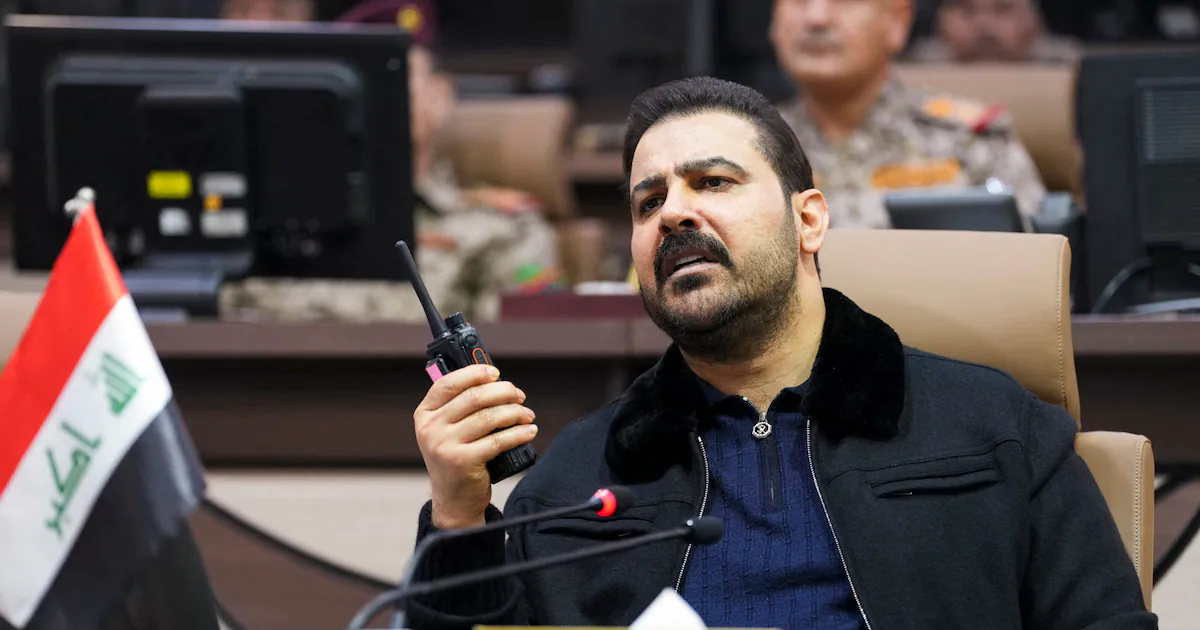
Prime Minister Ali Al Zaidi has ordered the federal takeover of oil exports, border crossings, and security in the Kurdistan region and disputed areas, citing oil smuggling investigations.
- Iraqi Prime Minister Ali Al Zaidi has issued directives transferring control of oil exports and border crossings in the Kurdistan region to federal ministries.
- The Oil Ministry is now tasked with managing oilfields in disputed territories within Diyala, Kirkuk, Salahaddin, and Nineveh provinces.
- Several senior officials, including the head of the Border Ports Authority and the North Oil Company director general, have been dismissed or suspended.
The new orders require the Kurdistan Regional Government to cease granting approval for crude oil and petroleum product exports, channeling all such trade through the federal Oil Ministry.
Federal Control Over Disputed Territories
The federal government is now directly managing oilfields located in disputed territories that fall within the administrative boundaries of Diyala, Kirkuk, Salahaddin, and Nineveh provinces. Although these areas are under the security control of the Kurdistan Regional Government, the Oil Ministry will now oversee their operations.
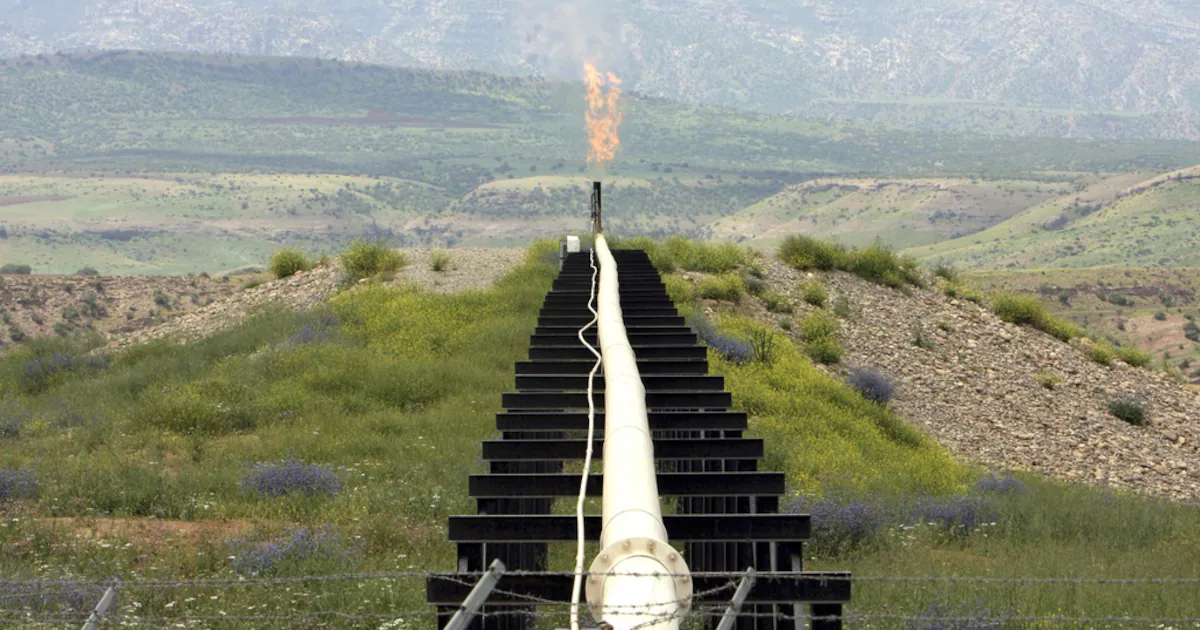
The Interior Ministry has been directed to deploy the Energy Police to take control of all oilfields within the federal administrative boundaries, even those where security is currently handled by the Kurdistan Regional Government. The government is also implementing modern technology to protect pipelines and wells, including the installation of electronic meters on all operating oil wells across Iraq.
Purges and Investigations
The directives include significant personnel changes and disciplinary actions against officials accused of failing to prevent oil smuggling. The head of the Border Ports Authority, the commander of the Kirkuk Operations Command, and the Kirkuk police chief have been dismissed for their roles in the smuggling issue. Reprimands have also been issued to the directors of national security and national intelligence in Kirkuk.
The director general of the North Oil Company and his deputies have been suspended pending an investigation by the Federal Commission of Integrity. The director general of industrial development and the director general of the Mining Industries Company in the Ministry of Industry and Minerals are also suspended pending a similar integrity review.
Crackdown on Smuggling Networks
The federal government has launched a broader crackdown on oil smuggling networks that involve influential political parties, militias, and politicians in central and southern Iraq. Last week, security forces were deployed to Jurf Al Sakhar, a town south of Baghdad, after intelligence reports revealed a complex smuggling operation that siphoned hundreds of millions of dollars in state oil. The area has been controlled by the Iran-backed Kataib Hezbollah militia since 2014.
Following the intelligence report, Prime Minister Al Zaidi ordered the militia to withdraw and established a joint command headquarters in the town with forces from the army, federal police, Popular Mobilisation Forces, and energy police. Kataib Hezbollah initially denied the allegations and threatened confrontation, but a compromise brokered by senior Shiite leaders and Iran’s Quds Force commander, Brig Gen Esmail Qaani, allowed government forces to enter under a joint command structure.
Audits and Legal Actions
The government is conducting thorough audits of contracts for the sale of petroleum products to private companies and reviewing the mechanisms for supplying crude oil to the Bazian and KAR refineries in Kurdistan. Licenses granted by the Ministry of Industry and Minerals to various plants are also under investigation, as are companies accused of wasting public money.
All cases of alleged violations are being referred to the judiciary, with the Federal Commission of Integrity tasked with presenting evidence before the Central Anti-Corruption Criminal Investigation Court. The Border Forces Command has been ordered to close all unofficial crossings on Iraq's international borders, including those leading into Kurdistan. The federal Defence Ministry is instructed to have Iraqi Security Forces close unpaved roads connecting the Kurdistan region to Diyala, Salahaddin, Kirkuk, and Nineveh. A binding mechanism regulating the movement of petroleum products between provinces and through border crossings is being prepared to ensure future compliance.
Key elements of the federal crackdown include:
- Dismissal of the head of the Border Ports Authority and the Kirkuk police chief for failing to stop smuggling.
- Suspension of the North Oil Company director general and deputies pending integrity commission investigations.
- Deployment of Energy Police to monitor oilfields in disputed territories using camera systems.
- Installation of electronic meters on all operating oil wells and creation of a national digital monitoring system.
Something wrong in this story, or about you in it?Request a correction or removal