Image: © The National
Iraq Pressures Kurdistan Region Over Oil Control and Border Security
Baghdad demands federal oversight of disputed oilfields and border crossings as tensions rise between the central government and the semi-autonomous Kurdistan region ahead of the 2027 budget negotiations.
- The draft 2027 budget ties financial disbursements to KRG compliance with federal oversight and export quotas.
- Former Kurdistan President Masoud Barzani stated disputes should be resolved within the constitutional framework.
- Deploying Iraqi army units alongside Peshmerga forces to manage international borders instead of federal border guards.
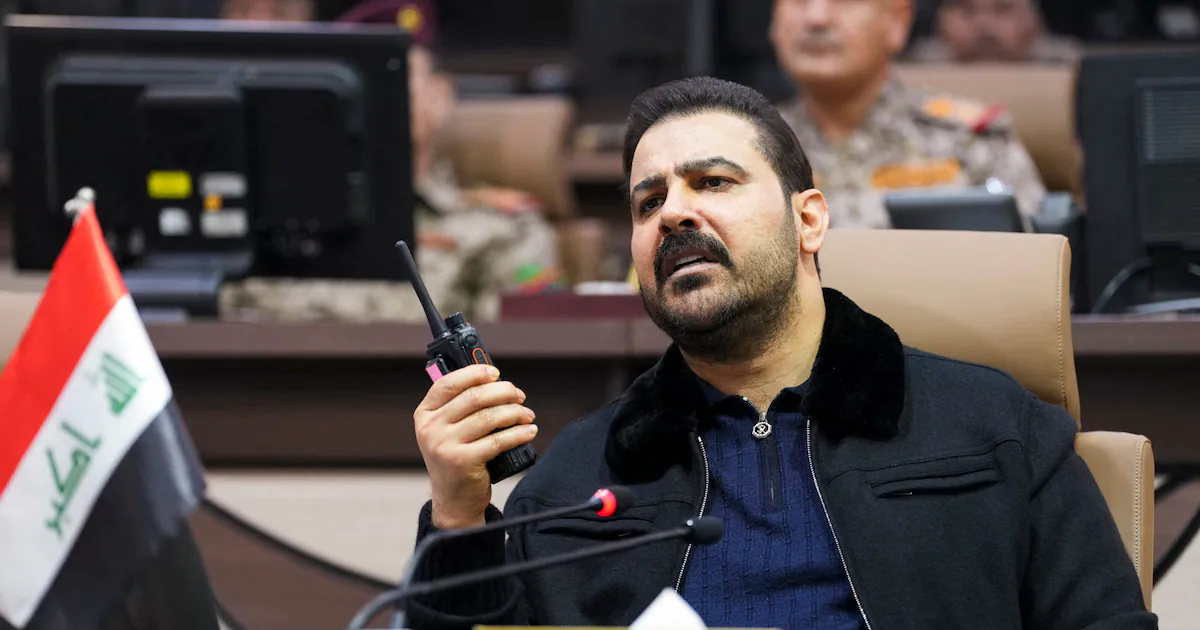
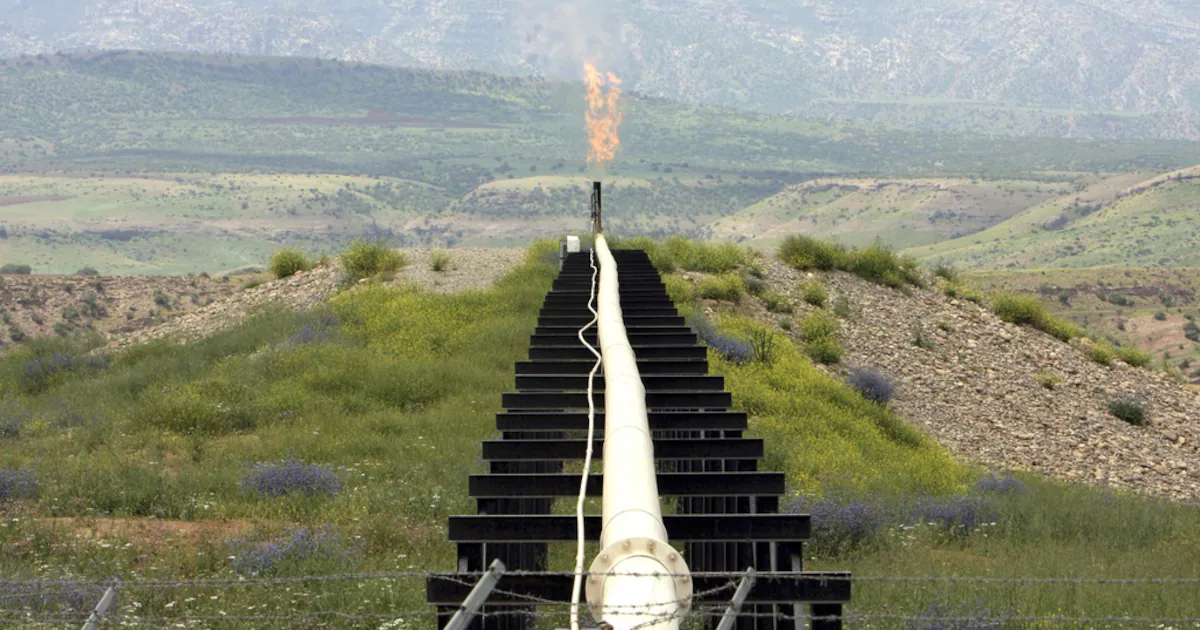
Iraq’s central government is intensifying its push to reclaim authority over resources and borders in the semi-autonomous Kurdistan region. Oil Minister Basim Khudair stated that an ongoing investigation has revealed smuggling activities in northern fields, with formal recommendations expected shortly. Khudair insisted that these fields must be managed by the federal ministry, mirroring the administration used in central and southern Iraq.
The prime minister’s office confirmed that Ali Al Zaidi is committed to extending state authority and combating corruption. This stance was reinforced after a meeting with Popular Mobilisation Forces chairman Falih Al Fayyadh. Al Zaidi emphasized that the government is taking steps to enforce laws and address encroachments on national wealth. The move comes as Baghdad seeks to strengthen its grip on border crossings from north to south, aiming to eliminate outstanding disputes.
Four-Point Proposal for Erbil
During a visit to Erbil, Falih Al Fayyadh conveyed a specific set of requirements from the prime minister to the regional leadership.
According to sources familiar with the discussions, the federal government’s conditions include:
- Deploying Iraqi army units alongside Peshmerga forces to manage international borders instead of federal border guards.
- Placing border crossings with Iran and Turkey under the administration of a neutral international firm to monitor trade and prevent smuggling.
- Revisiting the status of disputed areas and returning oilfields not under KRG control before the 2003 invasion to federal authority.
- Placing the region's entire oil sector under exclusive federal control.
Masoud Barzani, leader of the Kurdistan Democratic Party, responded by stating that outstanding issues are resolvable within the constitutional framework. His office indicated that the constitution should serve as the basis for resolving disputes between the two sides.
Budgetary Leverage and Compliance
The draft 2027 budget, currently under cabinet discussion, maintains the Kurdistan region’s share at 12.7 per cent of total spending. This allocation excludes sovereign expenditure, despite requests from Erbil for an increase.
Key provisions in the draft include mandatory oil exports and revenue transparency. The KRG is required to supply at least 400,000 barrels per day through the State Organisation for Marketing of Oil. Failure to meet this export target would require the region to deliver the quantities to the federal ministry for domestic use. Additionally, the KRG must hand over non-oil revenue for audit by both federal and regional boards.
The budget also mandates that surplus gas be transferred to the federal government or have its value deducted from the region’s share. Contractual deals with foreign or domestic companies regarding oil and gas are prohibited unless approved through the federal Oil Ministry. The Finance Ministry will only release monthly entitlements after the KRG submits monthly balances and complies with these conditions.
Historical Context of Dispute
Control over natural resources and land has been a contentious issue since the 2003 US-led invasion that toppled Saddam Hussein. The Kurds gained semi-autonomous status, but disagreements persist over whether they can sign energy deals without Baghdad’s approval. Federal authorities view such actions as illegal, while the KRG argues the constitution permits it.
Tensions have previously led Baghdad to withhold budget allocations, causing economic hardship in Kurdistan. In early 2022, the Federal Supreme Court ruled that the regional oil law was unconstitutional, ordering the handover of all oil activities to Baghdad. The draft budget still requires parliamentary endorsement before becoming law.
Something wrong in this story, or about you in it?Request a correction or removal