Oil Prices Surge to $95 as Houthi Strikes Hit Saudi Refinery
Brent crude rose 0.74 percent to $95.31 a barrel following Houthi claims of attacking Saudi Arabia's Ras Tanura refinery, shifting market focus from oversupply to geopolitical disruption risks ahead of Opec+ meetings.
- Brent crude rose 0.74 percent to $95.31 a barrel at 9.13am UAE time, while West Texas Intermediate increased 0.82 percent to $84.37 a barrel.
- The Ras Tanura facility, with a refining capacity of 550,000 barrels per day, is a key export terminal on the kingdom's Arabian Gulf coast.
- Supply disruption concerns through the Strait of Hormuz persist after a projectile exploded near a tanker 93km west of Dubai and another vessel hit a naval mine.
- Opec+ ministers are scheduled to hold meetings on November 29 to decide on their 2027 output policy while production remains steady amid regional conflicts.
Oil prices extended their recent gains on Thursday, driven by escalating supply concerns in the Middle East after Houthi rebels claimed attacks on Saudi Arabia’s largest refinery. Brent crude, the benchmark for two-thirds of the world’s oil, rose 0.74 percent to $95.31 a barrel at 9.13am UAE time. West Texas Intermediate, the gauge tracking US crude, traded 0.82 percent higher at $84.37 a barrel.
The rally follows a two-session surge of nearly 6 percent, with Brent closing 3.5 percent higher at $94.61 per barrel in the previous session.
Houthi Claims Target Major Saudi Infrastructure
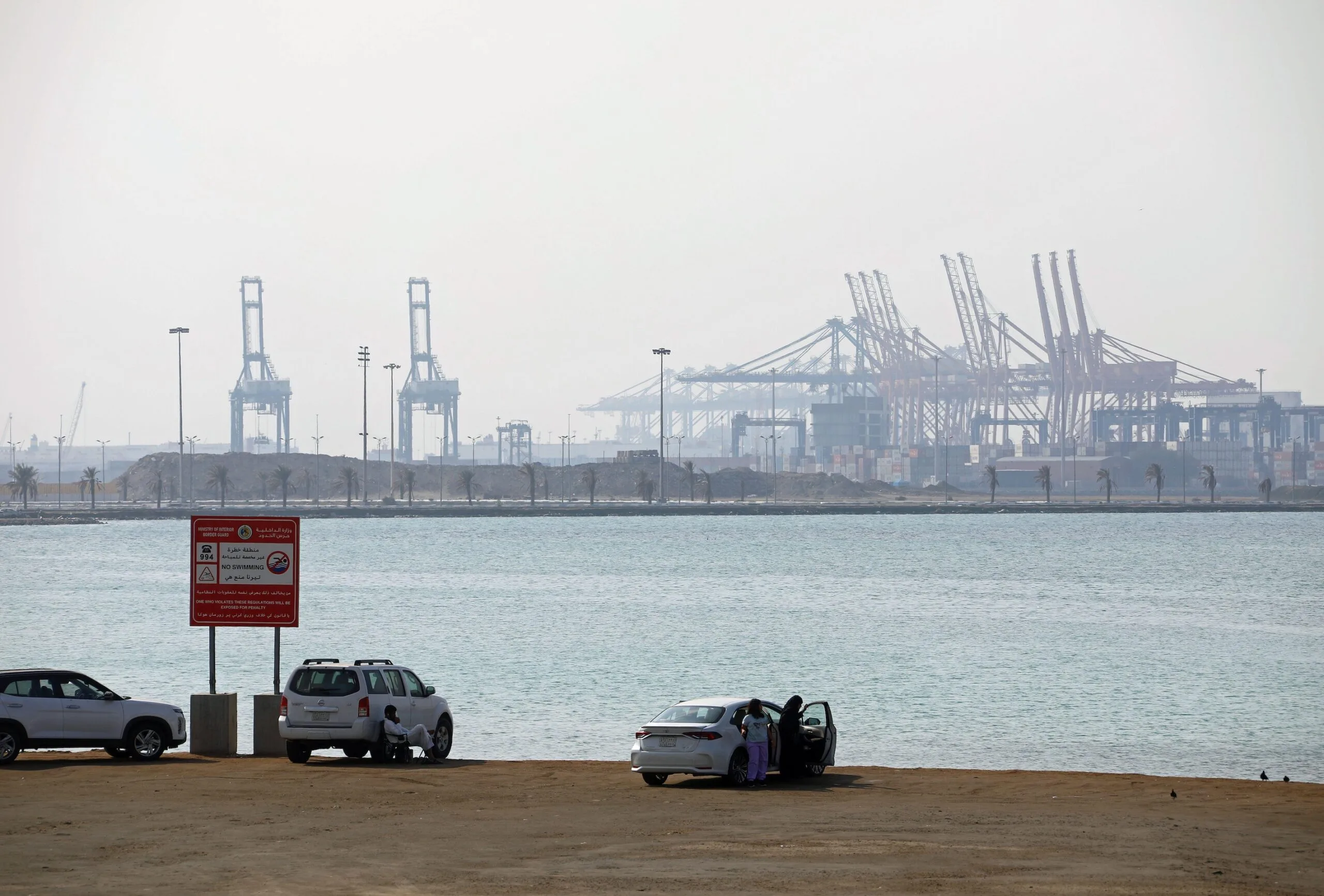
The Saudi military reported on Wednesday that its air defenses intercepted and destroyed four drones launched toward the Ras Tanura refinery. Shortly after, the Iran-backed Houthi rebels claimed they carried out strikes on the kingdom's Red Sea ports of Jeddah and Jazan. Ras Tanura, located on the Arabian Gulf coast, has a refining capacity of 550,000 barrels per day.
It historically served as the kingdom's main export terminal before the war prompted a strategic shift toward the Yanbu terminal on the west coast, which receives oil via the East-West pipeline.
Strait of Hormuz Disruptions Continue
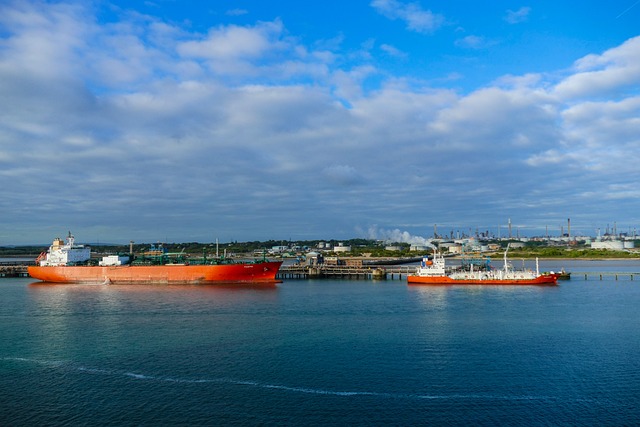
The UK Maritime Trade Operations reported on Thursday that a projectile exploded near a tanker approximately 93km west of Dubai in Gulf waters. This incident follows another event on Wednesday where an oil tanker caught fire after striking a naval mine in the same waterway.
These ongoing maritime incidents contribute to the volatility that has characterized oil markets since the US-led attack on Iran in late February. Prices previously jumped to more than $120 per barrel in March before sliding during peace efforts.
Opec+ Meeting and Supply Outlook
Daniel Richards, senior economist at Emirates NBD, noted the shift in market sentiment ahead of the discussions. Opec+ ministers will hold a series of meetings on November 29 to decide on their 2027 output policy. The bloc is currently holding production steady amidst the ongoing supply shocks from the Middle East war.
Despite the geopolitical tensions, oversupply outlooks remain a factor in the market analysis. The International Energy Agency stated in its monthly market report that crude inventories rose by 1.7 million barrels per day in October. This increase occurred because exports from the Gulf region recovered faster than worldwide demand. The UAE and Saudi Arabia have increasingly relied on pipelines and alternative routes to maintain export volumes.
Key factors influencing the current market environment include:
- International Energy Agency data showing a 1.7 million barrel per day rise in crude inventories in October.
- Scheduled Opec+ meetings on November 29 to determine 2027 production policies amid steady current output.
Something wrong in this story, or about you in it?Request a correction or removal