Image: © investingLive
Japan exports hit record ¥11.8 trillion as AI chip demand extends run to 14 months
Japan’s exports surged to a record ¥11.8 trillion in October, driven by AI semiconductor demand, while record import costs kept the trade deficit narrow, reinforcing expectations for a Bank of Japan rate hike in December.
- Japan’s exports rose 20.5% year-on-year to a record ¥11.8 trillion in October, marking the 14th consecutive monthly gain.
- Imports also hit a record ¥12.2 trillion, up 21.6%, driven by elevated energy costs despite a slight slip in volumes.
- The sustainability of AI-related demand for semiconductors and chipmaking equipment.
The surge in shipments helped offset a broader economic weakness, including an unexpected contraction in the third quarter driven by fragile household consumption.
Record Export Growth Driven by Semiconductors
Exports increased by 20.5% from a year earlier, reaching approximately ¥11.8 trillion, or roughly $74 billion. This figure exceeded the median forecast of 20% growth and followed a 16.5% gain in September. The data represents the highest monthly total on record, extending a streak of 14 consecutive months of growth.
Shipments to the United States rose by about 24%, while exports to China increased by approximately 13%. Analysts attributed the strength primarily to AI-related demand, which supported the export of semiconductors and chipmaking equipment. This demand helped counterbalance sluggish consumption in the Chinese market. However, economists noted that part of the nominal increase reflects companies passing on higher costs rather than a rise in physical volumes.
Import Costs and Trade Balance
Imports also reached a monthly record, rising 21.6% to ¥12.2 trillion. Although this growth was below the 25.8% forecast, the value was pushed higher by elevated crude prices and increased transport costs. These factors were linked to instability in the Middle East, particularly regarding the Iran conflict. Despite the higher prices, the volume of imports slipped by 0.2%.
Oil remains a critical variable for Japan’s trade balance, as the country imports nearly 90% of its energy. The softer-than-expected import bill resulted in a trade deficit of around ¥477 billion, which was approximately half the shortfall economists had predicted.
Economic Context and Household Pressure
Weak consumer spending, forced by rising living costs, has limited the translation of export success into broad-based domestic strength. The combination of high import costs and sluggish household spending continues to squeeze corporate margins and reduce purchasing power for residents.
Monetary Policy Implications
The economic data reinforces the case for the Bank of Japan to raise interest rates. Governor Kazuo Ueda stated on Wednesday that the central bank will continue to increase its policy rate in line with economic, price, and financial developments. He noted that financial conditions remain accommodative.
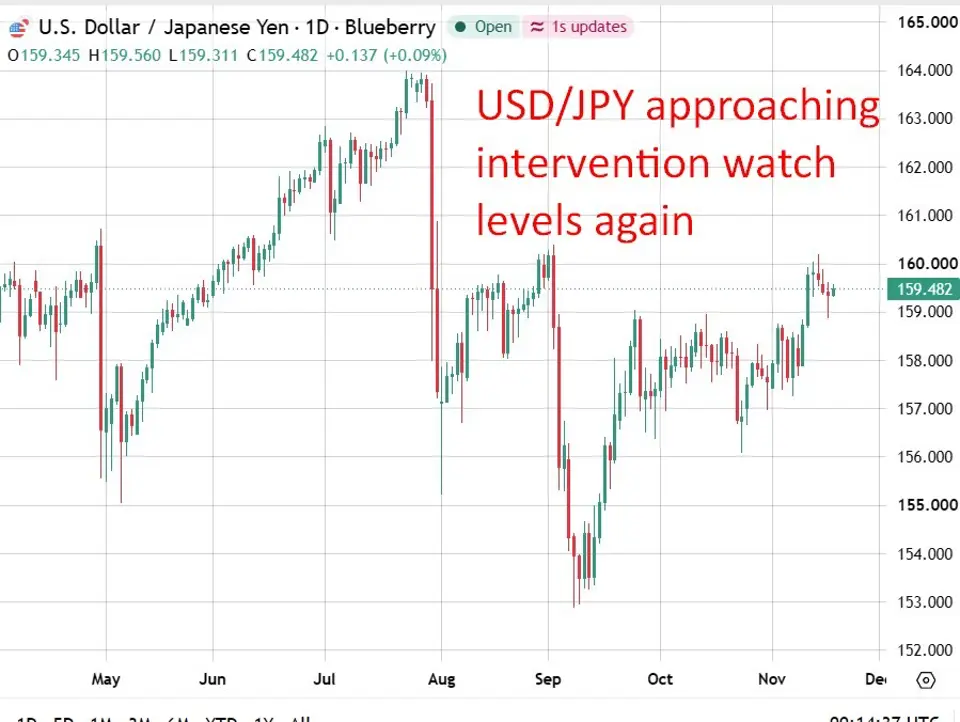
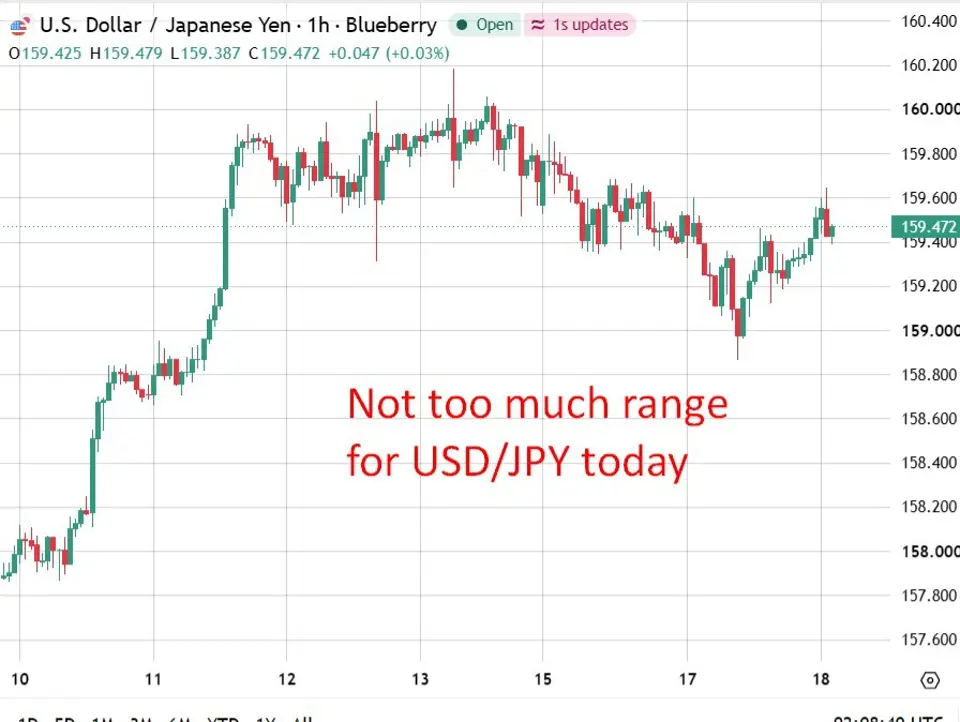
The policy rate is currently set at 1.25%. Markets are expecting a rate hike in December, a move supported by the resilient export data and persistent import-driven inflation. However, the yen has seen limited support from the trade figures, with USD/JPY hovering near 160. The currency’s direction appears more dependent on the interest rate gap with the Federal Reserve, which is on a hiking path, than on the trade balance itself.
Key factors influencing the outlook include:
- The sustainability of AI-related demand for semiconductors and chipmaking equipment.
- Potential escalation in the Middle East, which could spike oil prices and widen the trade deficit.
- The impact of import-driven inflation on household purchasing power and consumer spending.