Image: © investingLive
Japan trade deficit halves as exports surge 20.5% on chip demand
Japan’s trade gap narrowed significantly in October as exports jumped 20.5%, driven by semiconductor sales, though the yen remains pressured by US rate differentials.
- The trade deficit fell to approximately ¥477 billion, roughly half the expected ¥1 trillion.
- Exports rose 20.5% year-on-year, with semiconductor shipments providing key support.
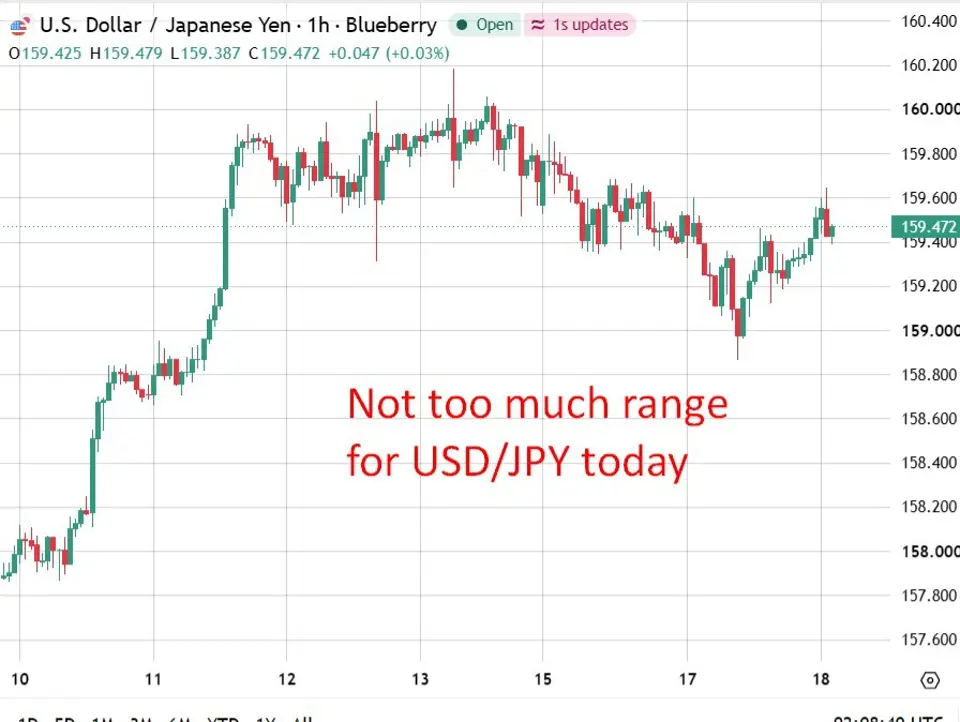
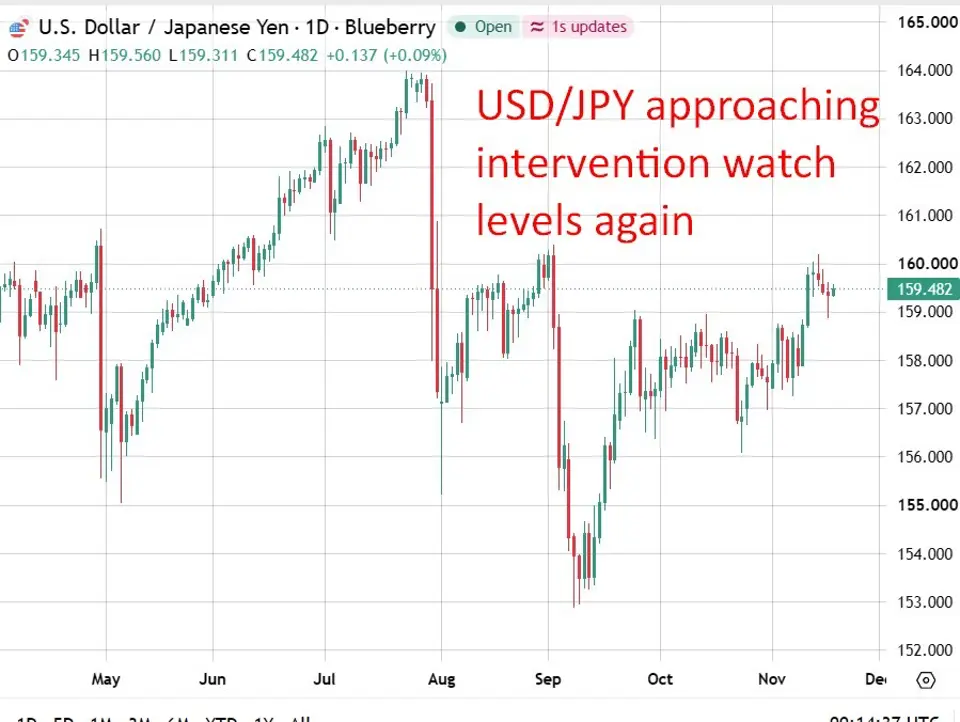
- USD/JPY trades near 159.5, constrained by the Federal Reserve's hiking path and intervention warnings.
Japan’s trade deficit shrank to approximately half of analyst expectations in October, bolstered by a sharp rise in exports and a lighter-than-anticipated import bill. The narrower gap offers mild support for the currency, as fewer units need to be sold to pay for foreign goods. However, the exchange rate remains heavily influenced by monetary policy divergences between Washington and Tokyo.
Trade Data Surpasses Forecasts
Exports climbed 20.5% year-on-year, exceeding forecasts of roughly 20% and following a revised 16.5% gain in September. This growth was largely driven by semiconductor shipments, which provided a significant lift to the national trade balance. The strong export performance helped offset a slight contraction in third-quarter gross domestic product.
Imports rose 21.6%, a figure well below the widely expected 26% increase and higher than the revised 18.5% rise recorded in September. Energy represents a major vulnerability for the economy, which imports close to 90% of its energy needs.
The resulting trade deficit stood at around ¥477 billion, compared to an anticipated ¥1 trillion.
Currency and Interest Rate Dynamics
Despite the improved trade figures, the yen continues to take its cue from developments in the United States rather than domestic data. USD/JPY is trading around 159.5, hovering just below the 160 level where authorities have issued warnings about potential market intervention. The rate differential remains the dominant factor, with the Federal Reserve on a hiking path and US 10-year yields remaining above 5%.
The Bank of Japan is widely expected to raise its policy rate from 1.25% in December. Governor Kazuo Ueda has signaled strong prospects for a hike after declaring that underlying inflation has reached the 2% target. Board member Hajime Takata recently stated that rates should rise nimbly. The trade data adds to the evidence that the economy can absorb a December rate increase, which could nudge short-end government bond yields higher.
Key factors influencing the current market environment include:
- The 10-year government bond yield is near 2.9%, close to its highest level since late October.
- Oil prices remain a critical swing factor, as any renewed rise would quickly reverse the improvement in the trade deficit.
- The next major data release is Friday’s national inflation report, which will test expectations for a December rate move.
- Exporters with heavy exposure to the semiconductor sector are likely to find support from the strong trade figures.
Outlook and Risks
The immediate test for the currency and monetary policy lies in upcoming inflation data. A firm reading alongside today’s trade figures would strengthen expectations for a rate hike. Conversely, a rise in oil prices would quickly push the import bill and the deficit back up.
For now, the Bank of Japan’s case for tightening is supported by solid exports and a narrowing trade gap.