Image: © Rigzone
Saudi Arabia and Japan agree to replenish crude stockpiles and expand storage
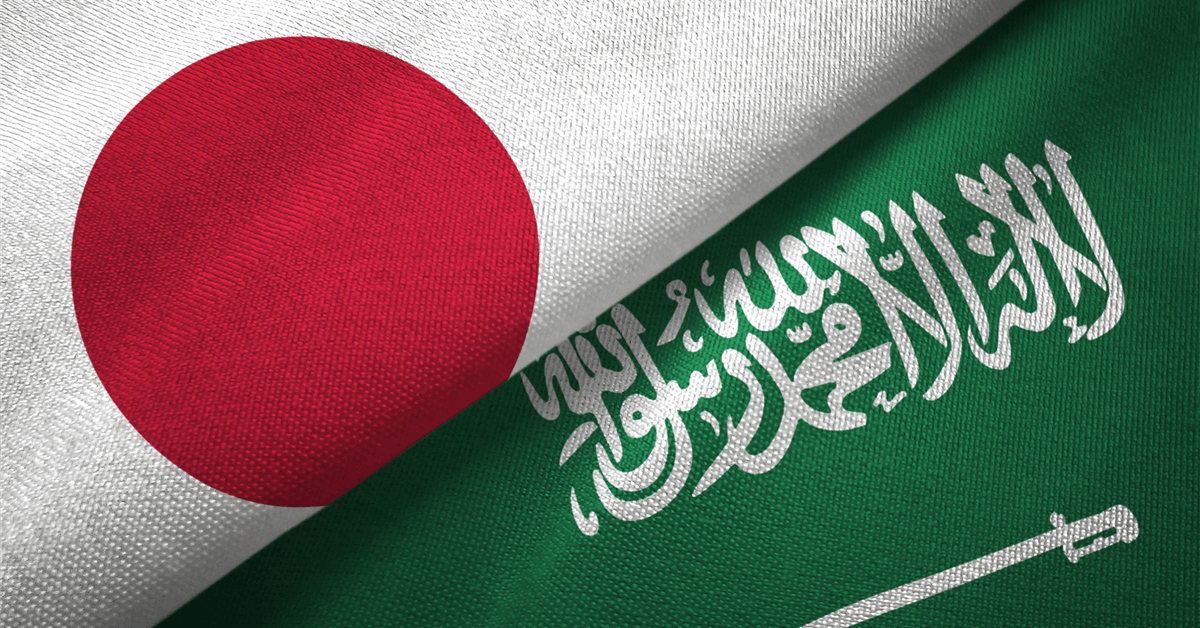
Saudi Arabia and Japan have reached an agreement for Tokyo to purchase up to 8 million barrels of Saudi crude while granting Riyadh temporary access to 16 million barrels of storage capacity in Japan.
- The deal allows Japan to buy up to 8 million barrels of Saudi crude for its national petroleum reserve under favorable market conditions.
- The agreement follows a virtual meeting between Saudi Energy Minister Prince Abdulaziz bin Salman and Japan’s Minister of Economy, Trade and Industry Ryosei Akazawa on Nov. 9.
- Goldman Sachs forecasts a sizable surplus in oil markets next year, with Brent crude having slumped more than 20% to about $90 a barrel.
Saudi Arabia and Japan have finalized an agreement aimed at replenishing Japan’s depleted crude stockpiles while simultaneously expanding the kingdom’s own storage infrastructure within the Asian nation.
Expanding Storage Capacity
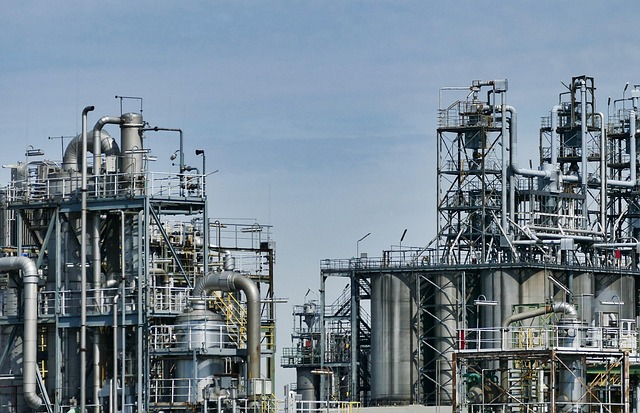
Beyond the direct purchase of crude, the agreement grants Saudi Arabia temporary use of 16 million barrels of oil storage capacity located in Japan. The Saudi state has already commenced operations to replenish these specific facilities.
Saudi Arabia has engaged in talks with various foreign governments to secure access for its state-owned oil company, Aramco, to store crude in strategic locations abroad.
Market Context and Future Outlook
The recovery of oil flows from Persian Gulf producers to near prewar levels has shifted the narrative in global markets. Brent crude prices have slumped more than 20% this month, settling at approximately $90 a barrel. Goldman Sachs Group Inc. has indicated that the world faces a sizable surplus next year, which is expected to exert downward pressure on prices.
A critical question for the market is how and when major oil importers will rebuild the emergency stockpiles they depleted during the height of the Hormuz crisis.
Regional Cooperation on Storage
The focus on expanded strategic storage is not limited to the Saudi-Japan relationship. Sultan Al Jaber, chief executive officer of Abu Dhabi National Oil Co., has emphasized the need for larger stockpiles of products and flexible refining capacity closer to consumer markets.
Earlier this month, Al Jaber highlighted that his company has already signed agreements to cooperate on strategic stockpiles with South Korea and India. Additionally, Saudi Arabia recently agreed with Singapore to store its oil in caverns starting from the second half of next year.
The agreement between Riyadh and Tokyo follows a virtual meeting held on Nov. 9 between Saudi Energy Minister Prince Abdulaziz bin Salman and Japan’s Minister of Economy, Trade and Industry Ryosei Akazawa. During this meeting, both parties reaffirmed their strategic partnership and their mutual support for long-term energy security.
Historical Precedent
Stockpiles of crude and fuel in consuming nations played a vital role in the initial months of the Middle East war, particularly when tanker traffic through the Strait of Hormuz was almost entirely choked off by Iranian attacks.
In a coordinated effort to address the supply shock, Japan released oil from its national reserves last month.
Key elements of the Saudi-Japan agreement include:
- Japan’s authorization to purchase up to 8 million barrels of Saudi crude for its national petroleum reserve, contingent on favorable market conditions.
- Saudi Arabia’s temporary access to 16 million barrels of storage capacity in Japan, expanding its current 8 million-barrel holding.
- The commencement of replenishment operations at these facilities by the Saudi state immediately following the agreement.
- The diplomatic foundation laid during the Nov. 9 virtual meeting between the energy ministers of both nations.
- The broader context of IEA members releasing a record 400 million barrels from emergency stockpiles to address previous supply disruptions.
As the market adjusts to restored flows and anticipated surpluses, the focus shifts to the mechanics of rebuilding national reserves.