Image: © AGBI
IMF: Qatar’s GDP to plunge 14% in 2026 amid war shock
The International Monetary Fund projects a 14% contraction in Qatar’s economy due to LNG export disruptions, though it expects a rebound in 2027 as non-energy sectors remain resilient.
- IMF mission chief Nathan Porter stated Qatar is navigating the crisis from a position of strength despite the sharp GDP forecast.
- Non-hydrocarbon activity expanded by 3% in the first half of the year, with aviation and hospitality returning to pre-war levels by the third quarter.
- Inflation averaged 3% through August and is expected to peak at 3.5% before declining toward 2% in the medium term.
- Qatari banks remain well-capitalized, though reliance on external funding is monitored by the Qatar Central Bank as a risk factor.
The International Monetary Fund has warned that Qatar’s gross domestic product is projected to contract by more than 14 percent in 2026. This sharp decline is attributed to significant interruptions in the production and sale of liquefied natural gas (LNG) caused by the ongoing conflict involving Iran. Despite these severe headwinds, IMF mission chief for Qatar Nathan Porter emphasized that the nation is navigating the crisis from a position of fiscal and external strength.
Porter, who led a staff visit to Doha last week, described the situation as a pivotal stage in the country’s economic transformation. He noted that while the hydrocarbon sector faces a severe shock, the broader economy possesses the necessary buffers to withstand the immediate impact. The IMF’s assessment suggests that the planned medium-term expansion of LNG capacity, combined with the continued implementation of the Third National Development Strategy (NDS3), will lay the groundwork for future growth and diversification.
Resilience in Non-Energy Sectors
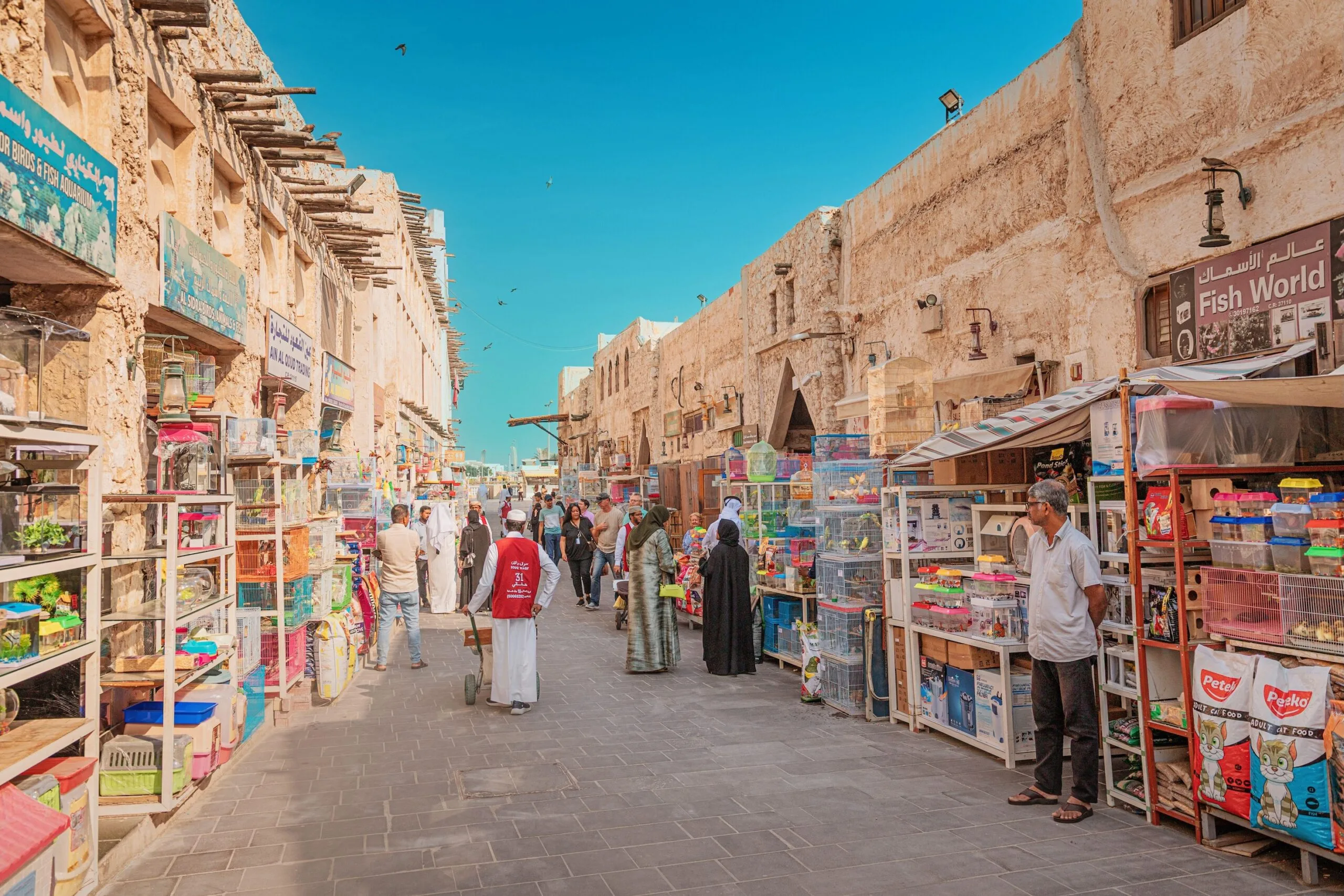
While the energy sector struggles, other parts of the Qatari economy have demonstrated notable resilience. The non-hydrocarbon economy expanded by 3 percent during the first half of the year, providing a counterbalance to the energy downturn. Specific sectors such as aviation and hospitality have shown strong recovery signs, with traffic and occupancy rates returning to pre-war levels by the third quarter.
The IMF’s forecast indicates that economic growth is expected to return in 2027 as LNG production and exports recover. Looking further ahead, average growth is projected to stabilize at 6 percent between 2028 and 2031.
Inflation and Banking Sector Stability
Porter cited price increases averaging 3 percent through August, driven primarily by costs associated with food, housing, and utilities. The IMF anticipates that inflation will top out at 3.5 percent by the end of the year before slowly declining toward 2 percent in the medium term.
The banking sector has also been assessed for stability amidst the uncertainty. The IMF delegation found that Qatari banks remain well-capitalized and liquid. However, the mission chief noted that the sector’s reliance on external funding remains a source of risk that is being closely monitored by the Qatar Central Bank (QCB).
Key developments in the financial and monetary landscape include:
- The QCB reduced the reserve requirement on deposits to 3.5 percent from 4.5 percent in March to release additional liquidity.
- The central bank issued QR1 billion ($275 million) in government bonds on behalf of the Ministry of Finance, with investor bids exceeding the offered amount by 80 percent.
- Pre-emptive liquidity and other financial-sector measures implemented by the QCB helped support confidence during the conflict.
- Authorities plan to review temporary measures, including reserve requirements, as economic conditions normalize.
Diversification and Future Risks
Uncertainty surrounding the outlook for the Iran war continues to pose potential downside risks to the Qatari economy. Porter highlighted that diversifying trade routes and strengthening logistics would enhance resilience against chokepoint risks.
While external and fiscal positions have weakened this year, Qatar remains supported by its sizable buffers. The decline in the current account surplus is expected to be partly offset by stronger financial inflows, including foreign direct investment, which are projected to remain robust.