Japan Restocks National Petroleum Reserve with Saudi Crude
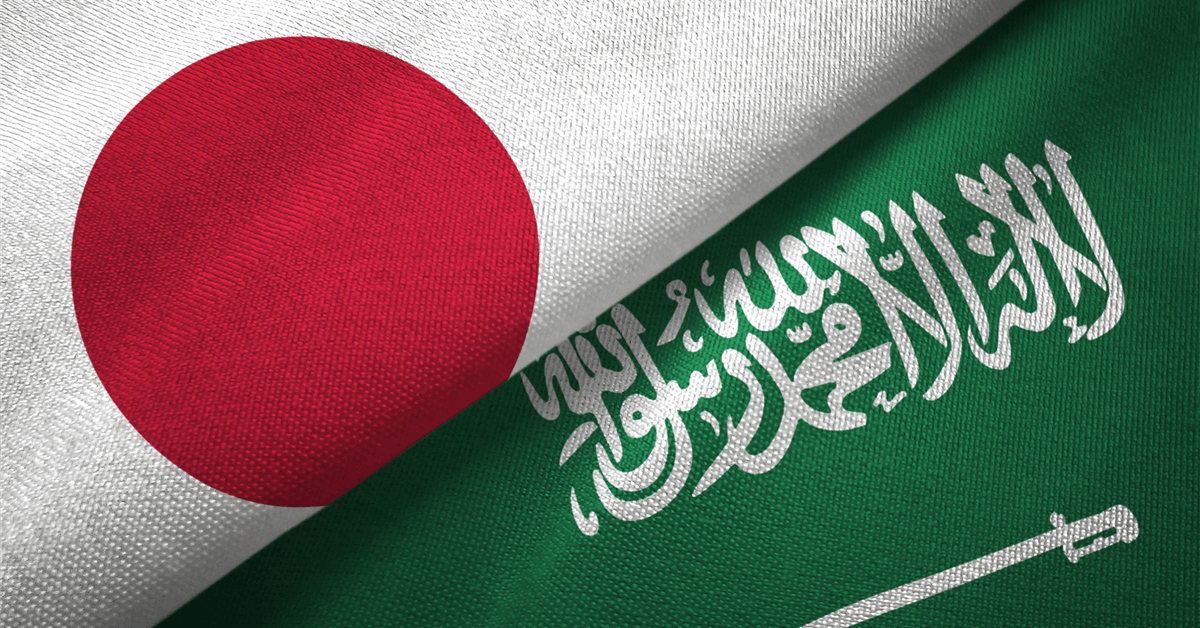
Japan has agreed to purchase up to 8 million barrels of Saudi crude to replenish reserves drawn during the Hormuz crisis, while granting Saudi Arabia temporary storage access in Japan.
- Japan plans to buy up to 8 million barrels of Saudi crude for its national petroleum reserve under a deal announced Friday.
- The agreement grants Saudi Arabia temporary use of an additional 16 million barrels of storage capacity in Japan.
- Japan previously drew down reserves as part of an International Energy Agency coordinated release of 400 million barrels.
- Brent crude traded around $92 a barrel on Thursday, down from above $110 in October.
- Prime Minister Sanae Takaichi proposed a joint Asian task force to manage regional crude stockpiles.
The agreement, announced on Friday, allows Tokyo to refill stocks that were depleted during the recent disruption in the Strait of Hormuz.
Saudi Arabia will gain temporary access to an additional 16 million barrels of storage capacity within Japan.
Preferential Access and Supply Chains
Under the current framework with Saudi Aramco, Japan holds preferential rights to purchase the crude stored in its facilities during supply emergencies. In normal market conditions, Aramco retains the ability to sell that oil to other Asian customers. However, Tokyo is granted first access to the stored inventory when global supplies face disruption.
Before the recent conflict, Middle Eastern crude accounted for more than 90% of the country’s imports. When Iranian attacks nearly closed the Strait of Hormuz, Japan was forced to source cargoes from distant locations, including Canada, Azerbaijan, and Africa, to keep its refineries operational.
Market Conditions and Future Surplus
The restocking effort comes as oil prices have retreated from recent peaks. Goldman Sachs has forecasted a sizable surplus for next year, which is expected to exert downward pressure on prices further.
The International Energy Agency reported that Gulf crude exports recovered to 82% of prewar levels in October. The IEA had coordinated a record drawdown of 400 million barrels among member countries last month.
Regional Storage and Coordination
Saudi Arabia has engaged in talks with foreign governments to secure Aramco access to strategic storage facilities abroad. Singapore announced plans last month to store Saudi crude in its Jurong Rock Caverns during the second half of 2027.
Prime Minister Sanae Takaichi proposed the creation of a joint Asian task force to manage crude stockpiles, describing it as an Asian equivalent to the International Energy Agency.
ASEAN members have independently agreed on a shared reserve system. This regional coordination involves storage sites in Indonesia and Thailand, with the Philippines tasked with overseeing the shared reserve.
Key Developments in Regional Energy Strategy
- Japan buys up to 8 million barrels of Saudi crude to refill national petroleum reserves.
- Saudi Arabia receives temporary use of 16 million barrels of additional storage capacity in Japan.
- Brent crude prices fell to around $92 a barrel, down from October highs above $110.
- Gulf crude exports reached 82% of prewar levels in October, according to the IEA.
- Prime Minister Sanae Takaichi proposed a joint Asian task force to manage crude stockpiles.