Image: © The Guardian
UK-EU trade deals signed as rejoining bloc discussed in informal talks
The UK and EU have finalized agreements on trade and youth mobility, with Foreign Secretary Ed Miliband confirming that rejoining the EU is under informal consideration despite current manifesto red lines.
- The UK government has announced three agreements with the EU covering food and drink standards, emissions trading, and a youth mobility scheme.
- The agreements face potential delay as the EU has threatened to block them unless European students are allowed to pay domestic-level tuition fees at British universities.
- Legislation for the deals is scheduled to enter parliament next week, with implementation dates set for 2028.
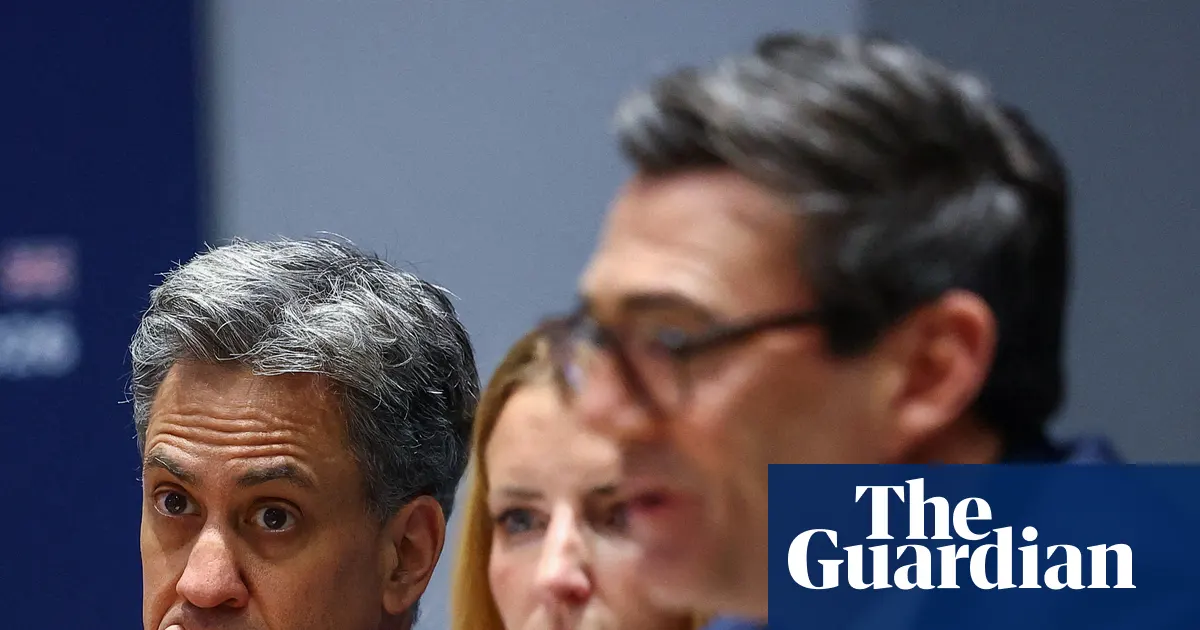
The United Kingdom and the European Union have reached a series of new agreements covering trade standards and youth mobility. Prime Minister Andy Burnham described the outcome as a good day for both Britain and Europe, emphasizing that the deals address major concerns regarding economic growth and the cost of living.
Under the new arrangements, 100,000 young Britons will be permitted to live, work, study, and travel within the EU, with reciprocal access granted to European citizens in the UK.
Economic Impact and Future Talks
The government projects that these agreements will provide a substantial boost to the national economy. Burnham estimated that the deals would add 0.5% to the UK’s GDP, equating to a £17bn increase in economic output.
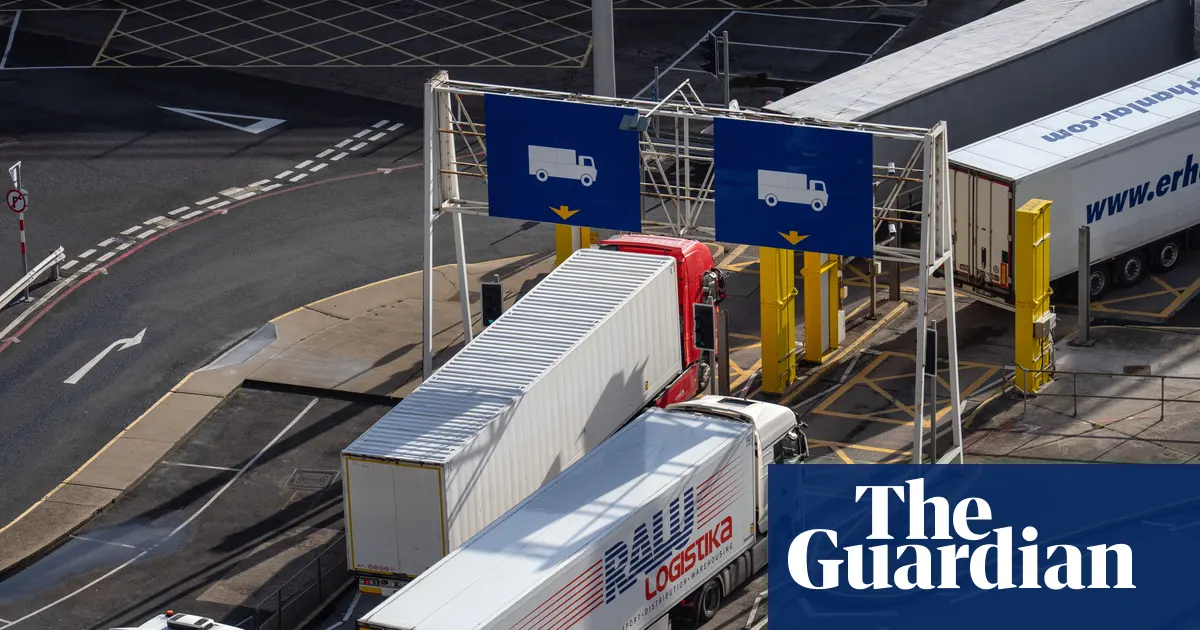
Environment Secretary Angela Eagle highlighted the benefits for the agricultural sector, noting that the agreements would open new markets and reduce border friction for UK farmers. She described the outcome as a win-win scenario that would lower costs associated with importing and exporting food products.
Political Constraints and Red Lines
Despite the openness to future discussions, the Labour government has maintained strict boundaries regarding its current policy commitments. Since entering government in 2024, the party has adhered to manifesto red lines that rule out rejoining the single market, the customs union, or freedom of movement.
Burnham has previously expressed a personal desire to see the UK rejoin the EU within his lifetime. The prime minister plans to use a ten-year strategy document before Christmas to outline how the UK might get closer to the bloc after the next election.
Tuition Fee Dispute
The implementation of the new deals faces a potential hurdle regarding tuition fees for European students. The EU has threatened to block the agreements unless the UK allows European students to pay domestic-level fees at British universities.
Miliband denied that the finalized agreements depend on resolving this dispute. He insisted that the deals on food exports, energy, and youth mobility would proceed as planned, regardless of the ongoing negotiations over student fees.
European Commission President Ursula von der Leyen expressed confidence that a solution would be found. She welcomed the UK’s proposal for informal brainstorming discussions, signaling a willingness to engage in further talks to resolve outstanding issues.
Key Details of the Agreements
The following points outline the core components of the newly signed deals:
- The youth mobility scheme allows 100,000 young Britons to live, work, study, and travel in the EU, with reciprocal rights for Europeans in the UK.
- Agreements on food and drink standards aim to reduce border friction and open new export markets for UK agriculture.
- The UK government estimates the total economic benefit of the agreements at £17bn, or 0.5% of GDP.