Yemen government seeks international aid to secure Bab al-Mandab strait
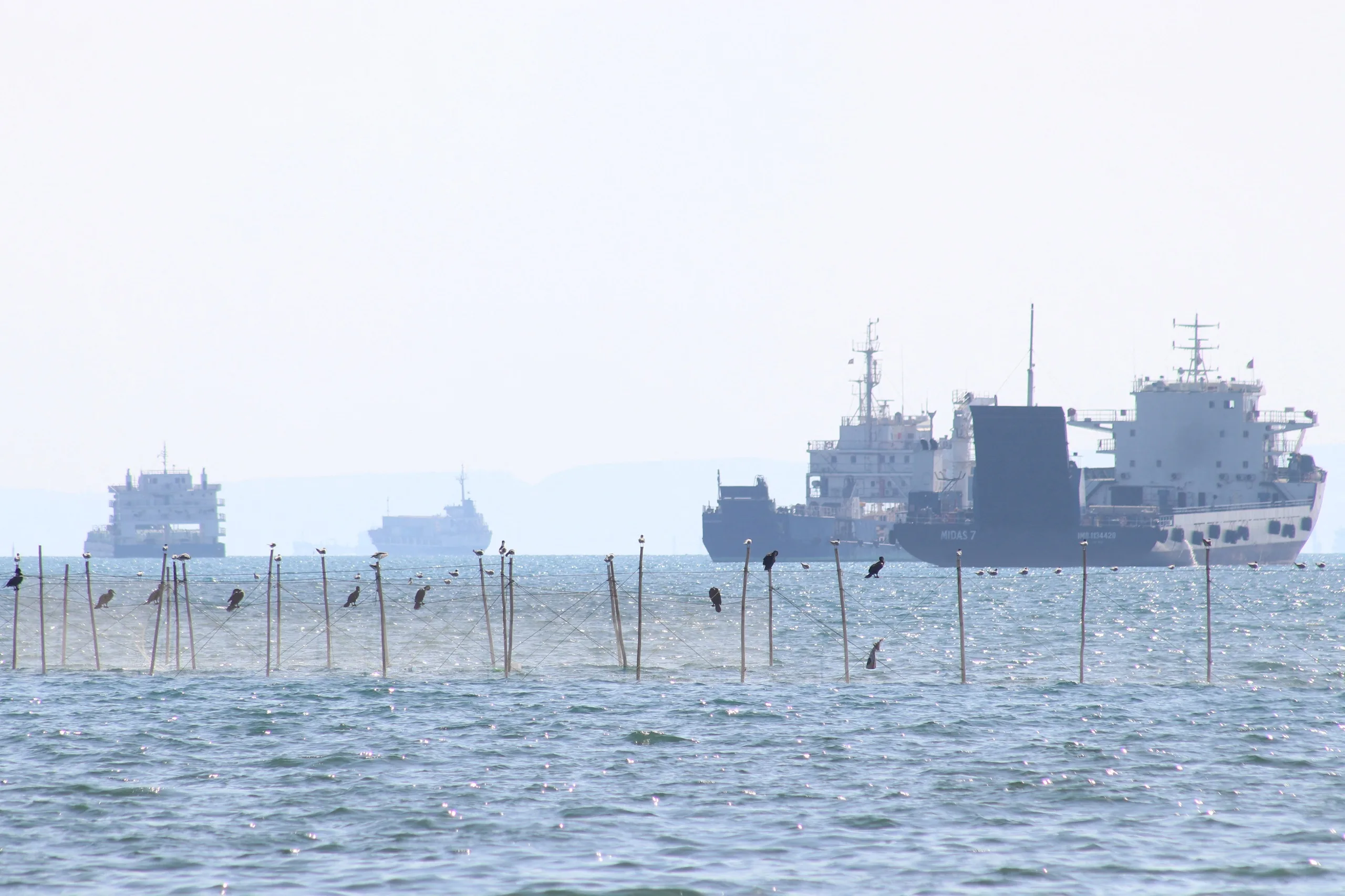
Yemen’s recognized administration is calling for enhanced naval cooperation and stricter sanctions against the Houthis to protect the critical Bab al-Mandab waterway, where shipping traffic has dropped significantly due to ongoing conflict.
- Yemeni officials have requested stronger international naval support and tougher sanctions to secure the Bab al-Mandab strait, a vital route for global oil exports.
- Shipping traffic through the waterway remains nearly a quarter below pre-blockade levels, according to data from the UK Maritime Trade Operations.
- The UK recently imposed asset freezes on the Houthis and sanctioned four senior figures, citing attacks on international shipping and human rights abuses.
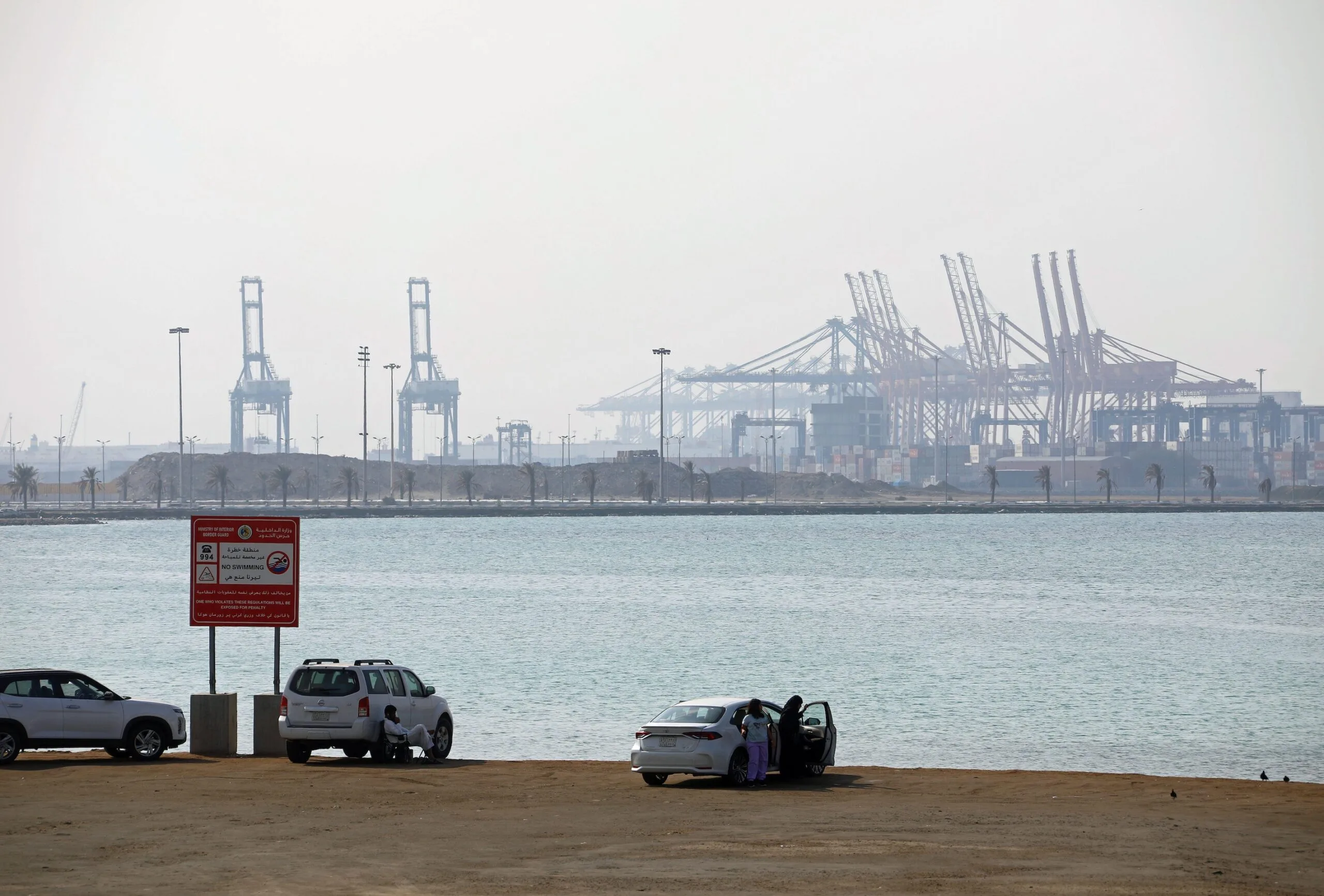
- The Houthis have threatened to target Saudi ports, including Jeddah, if the kingdom attacks the Yemeni port of Hodeidah.
The internationally recognized government of Yemen has formally requested increased international assistance to safeguard the Bab al-Mandab waterway, citing it as one of the most crucial arteries for global crude oil exports. Senior officials from the administration have pledged to regain control of the contested territory surrounding the strait, which government forces recently lost to the Iran-aligned Houthi militia in mid-November.
Marwan Al Noman, an adviser to the foreign minister, and Colonel Majed Abdullah Al-Nuzaily, the armed forces spokesman, held a joint briefing to outline the security challenges facing the region. They emphasized that closer coordination between international naval missions and the Yemeni coastguard is essential, alongside the implementation of more severe sanctions against the Houthi group. Al Noman described the protection of the Bab al-Mandab and the broader Red Sea as a top priority for the administration.
Military Strategy and Territorial Control
Yemeni military leadership clarified that the recent withdrawal of government forces from the strait area was a tactical decision rather than an abandonment of the position. Colonel Al-Nuzaily explained that the move was designed to preserve military strength and defend Aden, the southern port city that serves as the seat of the recognized government. The forces had lost control of the territory in September, briefly reclaimed it in October, and then retreated again in mid-November.
Al Noman affirmed that the government remains confident in its ability to liberate the strait and regain full control. The officials warned that the militia is actively seeking to seize Yemen’s oil and gas resources, with signs indicating a potential offensive toward the oil-rich regions of Marib and Shabwah.
Impact on Global Shipping
Data from the marine security agency UK Maritime Trade Operations indicates that vessel traffic remains almost twenty-five percent lower than levels recorded before the Houthi blockade was announced. The Houthis initially declared a blockade on Saudi-linked shipping in July, aiming to disrupt alternative export routes following disruptions in the Strait of Hormuz.
The strait links the Red Sea with the Gulf of Aden, providing access to the Indian Ocean. It became a critical route for Saudi Arabian crude exports earlier in the war, though a Houthi-imposed blockade previously forced the kingdom to divert its exports northward through the Suez Canal.
Sanctions and Diplomatic Pressure
Yemeni officials are urging the international community to extend sanctions to individuals and companies financing the Houthis. Al Noman specifically called on the European Union to designate the group as a terrorist organization. The UK also announced sanctions against four senior figures accused of involvement in serious human rights abuses, citing attacks on international shipping and regional partners.
Al Noman noted that the Houthi threat would persist regardless of any potential agreements between Washington and Tehran. The Yemeni government has been unable to export oil since Houthi attacks on its export terminals in late 2022, a development that has deprived the administration of its primary source of revenue.
Strategic Objectives
Colonel Al-Nuzaily stated that the militia’s aim is simple: they want Yemen’s oil and gas. The country has been divided for over a decade between areas controlled by the UN-sanctioned government and those held by the Houthis, also known as Ansar Allah.
- The UK imposed asset freezes on the Houthis and sanctioned four senior figures on Tuesday.
- The Houthis threatened to target Saudi ports, including Jeddah, if the kingdom attacks Hodeidah.
- The Yemeni government has been unable to export oil since Houthi attacks on terminals in late 2022.
Something wrong in this story, or about you in it?Request a correction or removal