Image: © The National
QatarEnergy expands US gas deals amid Strait of Hormuz risks
QatarEnergy is acquiring millions of tonnes of LNG from US plants to offset supply disruptions, despite an expected global glut and ongoing geopolitical threats to its primary export routes.
- QatarEnergy has secured 7 million tonnes per year of LNG from plants in Louisiana and Texas, with advanced talks for an additional 5 million tonnes.
- Iranian missile strikes damaged two processing trains in March, representing 17 per cent of capacity, with repairs estimated to take three years.
- QatarEnergy chief executive Saad Al Kaabi stated his target was much more than the initial 7 million tonnes annually secured.
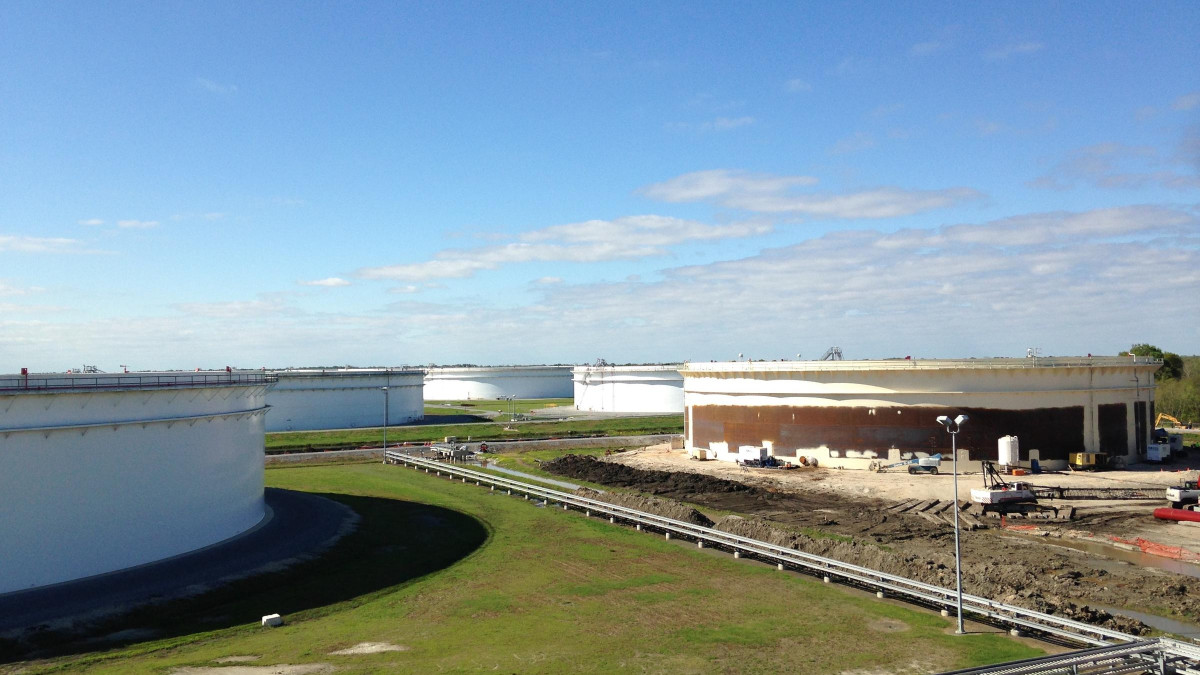
The state-owned energy giant has snapped up 7 million tonnes per year from facilities in Louisiana and Texas, while entering advanced negotiations for at least another 5 million tonnes.
Supply Chain Disruptions and Contract Terminations
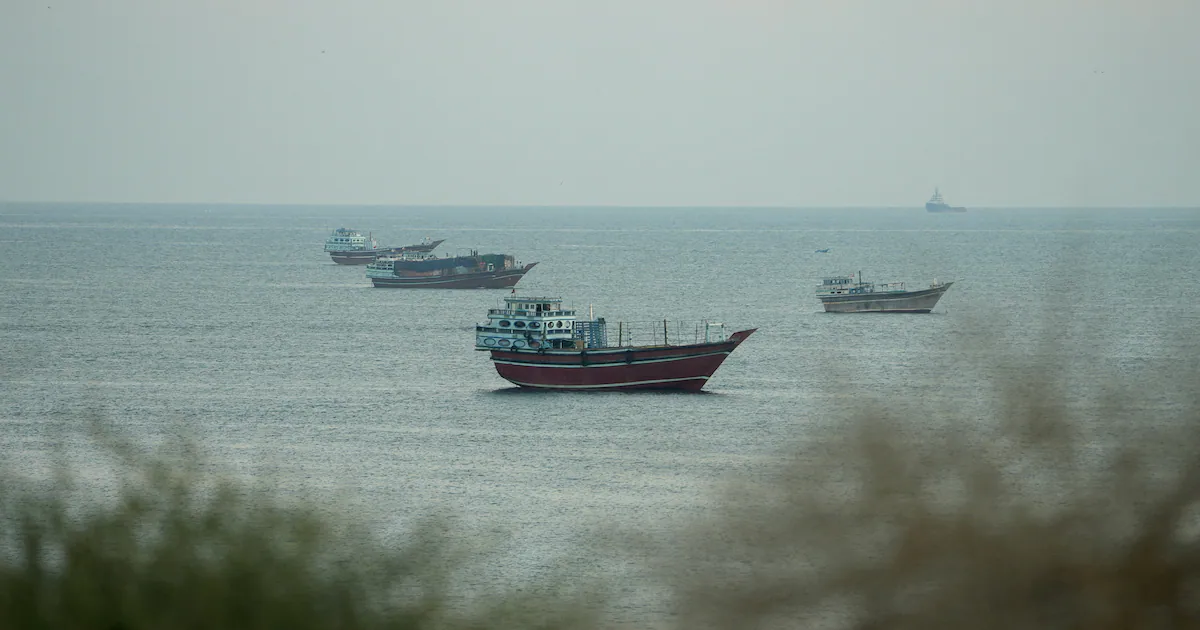
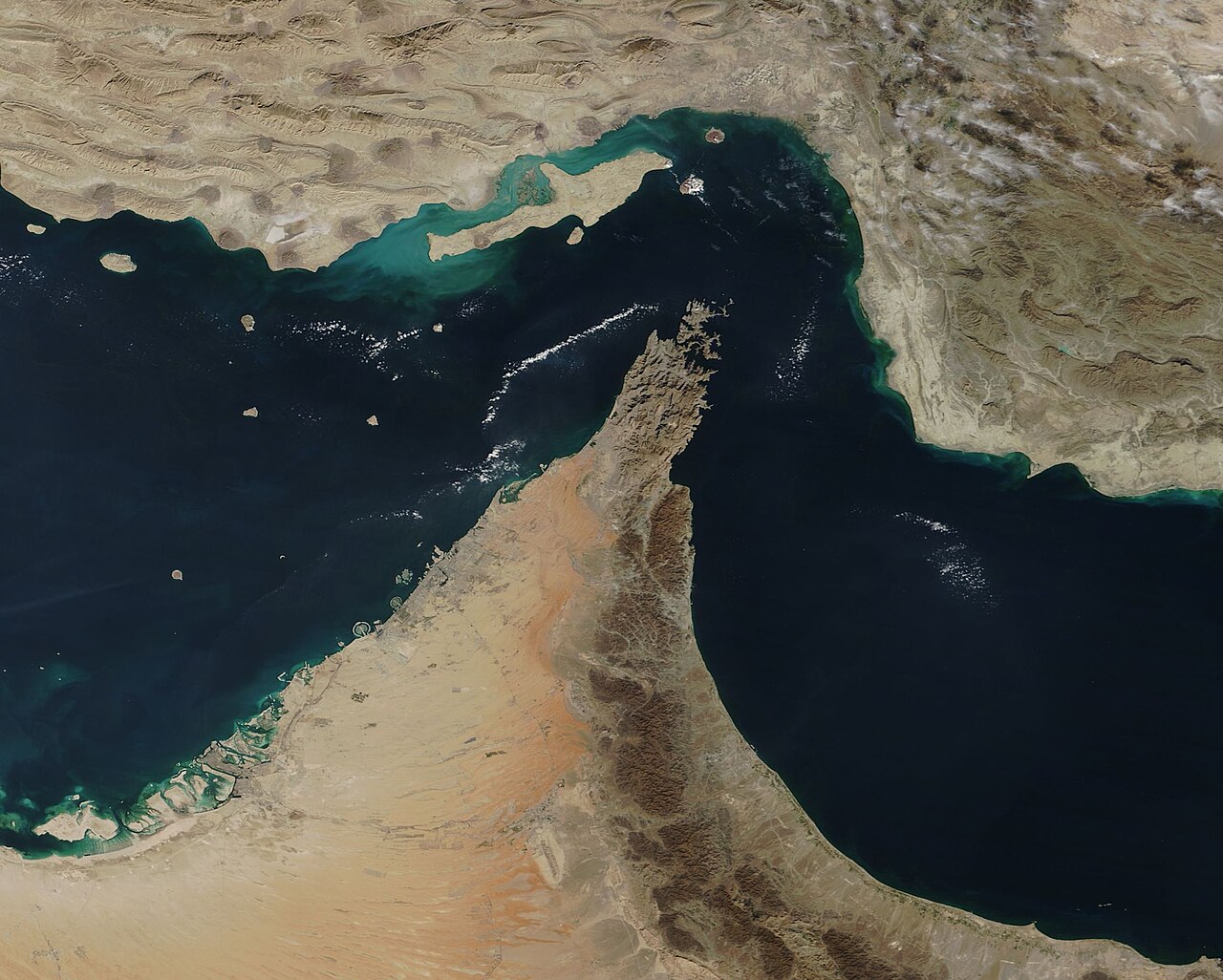
LNG tankers leaving the region, primarily from Qatar, have seen their numbers drop sharply from approximately eight vessels per week in September and October to just two reported last week.
Iranian missiles inflicted major damage on two of Qatar’s processing trains in March, taking about 17 per cent of its capacity offline.
Poland’s Orlen gave notice on November 10 that it was terminating its 20-year contract to purchase LNG from Qatar. The company cited a lengthy period of force majeure, during which QatarEnergy could suspend deliveries for reasons beyond its control, and argued that it now has the right to end the agreement.
Strategic Positioning in an Oversupplied Market
Qatar’s approach reflects a complex mix of risk mitigation and long-term strategic planning. The state behemoth has been countering a wall of new LNG supply, mostly from the US, arriving between 2028 and 2030, with its own massive expansion projects: North Field East, South, and West. These projects, which were well under way before the conflict escalated, will almost double Qatar’s already colossal capacity when complete.
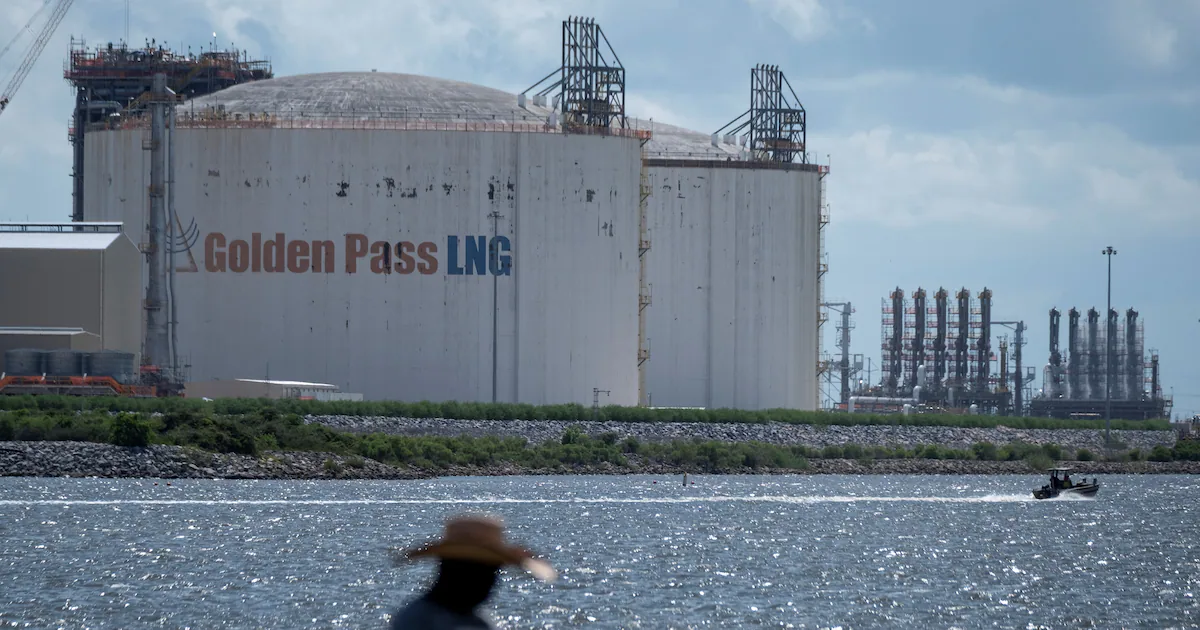
The company faces the dual challenge of marketing gas from these new projects, expiring older contracts, and its new Golden Pass plant, a joint venture in Texas with ExxonMobil. Historically, QatarEnergy has insisted on long-term contracts of at least 15 years, preferably up to 27 years, with destination clauses that restrict resale. These terms have been legally problematic in Europe and Japan, two of the largest LNG markets, and have faced resistance in a decarbonising world where renewables and batteries are becoming increasingly competitive.
Future Market Dynamics
If transit through the Gulf remains severely restricted or if further infrastructure damage occurs, LNG prices should remain strong, ensuring profitability for the new US contracts. Conversely, if a peace deal or military action opens the free flow of LNG, a mega-glut could emerge as new Qatari plants join US and other suppliers. In such a scenario, prices may fall, but Qatar’s low production costs would allow it to remain profitable.
QatarEnergy chief executive Saad Al Kaabi indicated that the initial 7 million tonnes secured was just the beginning, stating his target was much more annually. This expansion deepens Qatar’s exposure to a heavily oversupplied market but also positions the country to potentially regain its dominance as the world’s most important LNG actor, holding about a quarter of global supply.
Key Developments
- QatarEnergy has secured 7 million tonnes per year of LNG from plants in Louisiana and Texas, with advanced talks for an additional 5 million tonnes.
- Iranian missile strikes damaged two processing trains in March, representing 17 per cent of capacity, with repairs estimated to take three years.
- QatarEnergy chief executive Saad Al Kaabi stated his target was much more than the initial 7 million tonnes annually secured.