Image: © OilPrice.com
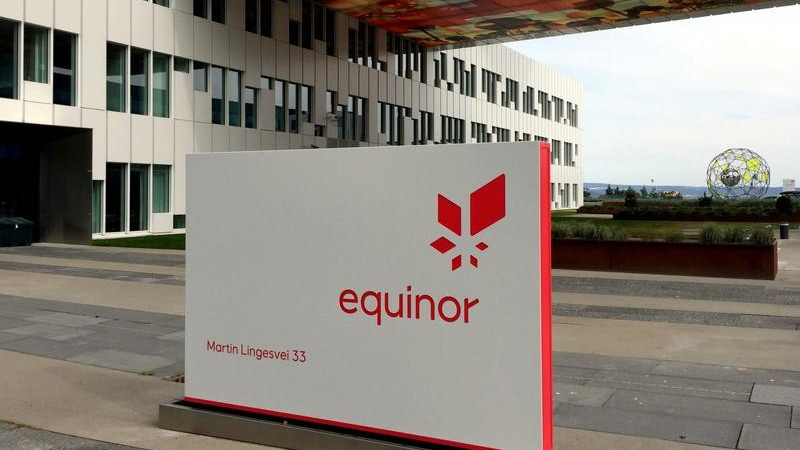
Equinor Cyberattack Highlights Rising Threats to European Energy Infrastructure
Norway’s Equinor is recovering from a cyber incident while state-aligned hackers target energy sectors globally, raising concerns about infrastructure resilience amid geopolitical tensions.
- The FBI warned that state-aligned hackers are using AI-powered tools to breach corporate networks in under three hours.
- Pro-Russian hacktivist groups including Cyber Army of Russia Reborn and Sector16 have attacked industrial equipment in the energy, water, and food sectors across the West.
- Artem Revenskii, a member of Sector16, pleaded guilty in California for attacks on oil and gas infrastructure in the U.S., Ukraine, Germany, France, and Latvia.
The company announced on Wednesday that it has identified the vector of the breach and the specific systems compromised. Equinor emphasized that the intrusion does not involve a spreading virus and has not disrupted its oil and gas production volumes.
The firm reported that no data was stolen during the incident. However, it cautioned that it is too early to determine the timeline required to fully restore affected systems. Equinor is collaborating with Norway’s national security authorities to contain the threat, though it has not publicly identified the source of the attack.
State-Sponsored Attacks on Critical Infrastructure
In April 2025, hackers linked to Russia took control of a hydropower dam at Lake Risevatnet in western Norway, opening a valve for four hours.
Eight months later, in December 2025, a similar Russian-linked campaign struck Poland. The attack, attributed by CERT Polska to the Berserk Bear group and by Dragos to the military unit Sandworm, compromised more than 30 wind and solar farms. The intrusion damaged remote terminal units and protection relays, stripping operators of remote control over the sites.
Iranian Involvement and Criminal Networks
Since April, U.S. agencies have warned that Iranian hackers are targeting internet-connected controllers from manufacturers like Siemens and Rockwell. In one instance, attackers rewrote controller logic to disable safety alarms at a U.S. provider.
Iranian groups also operate through criminal affiliates, sharing ransom proceeds with global hacking syndicates. The group Pioneer Kitten has been reported to hand network access to ransomware gangs, while Pay2Key increased its affiliates' cut of ransoms targeting the U.S. and Israel to 80%. These activities are described by threat intelligence firm KELA as Iran outsourcing geopolitical retaliation to the global cybercrime talent pool.
The Role of AI and Persistent Vulnerabilities
Google’s threat intelligence group recently observed hackers using AI agents to autonomously find flaws, write exploits, and launch them without human intervention.
Despite these advanced tools, many breaches exploit basic security failures. Last year, Dragos found that weak or default passwords accounted for 26% of findings at oil and gas companies, while poor network separation contributed to 29% of incidents. Internet-facing systems also represented 26% of vulnerabilities.
Global Scope of Recent Incidents
Check Point reported a nearly 70% increase in attacks on U.S. utilities in the first eight months of 2024 compared to the previous year. By May, U.S. energy companies were facing approximately 1,755 attacks per week. Dragos tracked 119 ransomware groups targeting industrial firms in 2025, up from 80 in 2024.
Recent incidents highlight the diverse tactics employed by adversaries:
- Pro-Russian hacktivist groups including Cyber Army of Russia Reborn and Sector16 have attacked industrial equipment in the energy, water, and food sectors across the West.
- Artem Revenskii, a member of Sector16, pleaded guilty in California for attacks on oil and gas infrastructure in the U.S., Ukraine, Germany, France, and Latvia.
- The Qilin ransomware group claimed to have stolen nearly a terabyte of data from Romania’s Conpet oil pipeline operator in February, though transport was unaffected.
- The Gentlemen group encrypted systems at Oltenia Energy Complex, Romania’s largest coal-fired power producer, in December 2025.
The International Monetary Fund warned in May that AI is making cyberattacks cheaper and more dangerous.