Image: © The National
IEA says $40bn Gulf pipelines cannot end Strait of Hormuz reliance
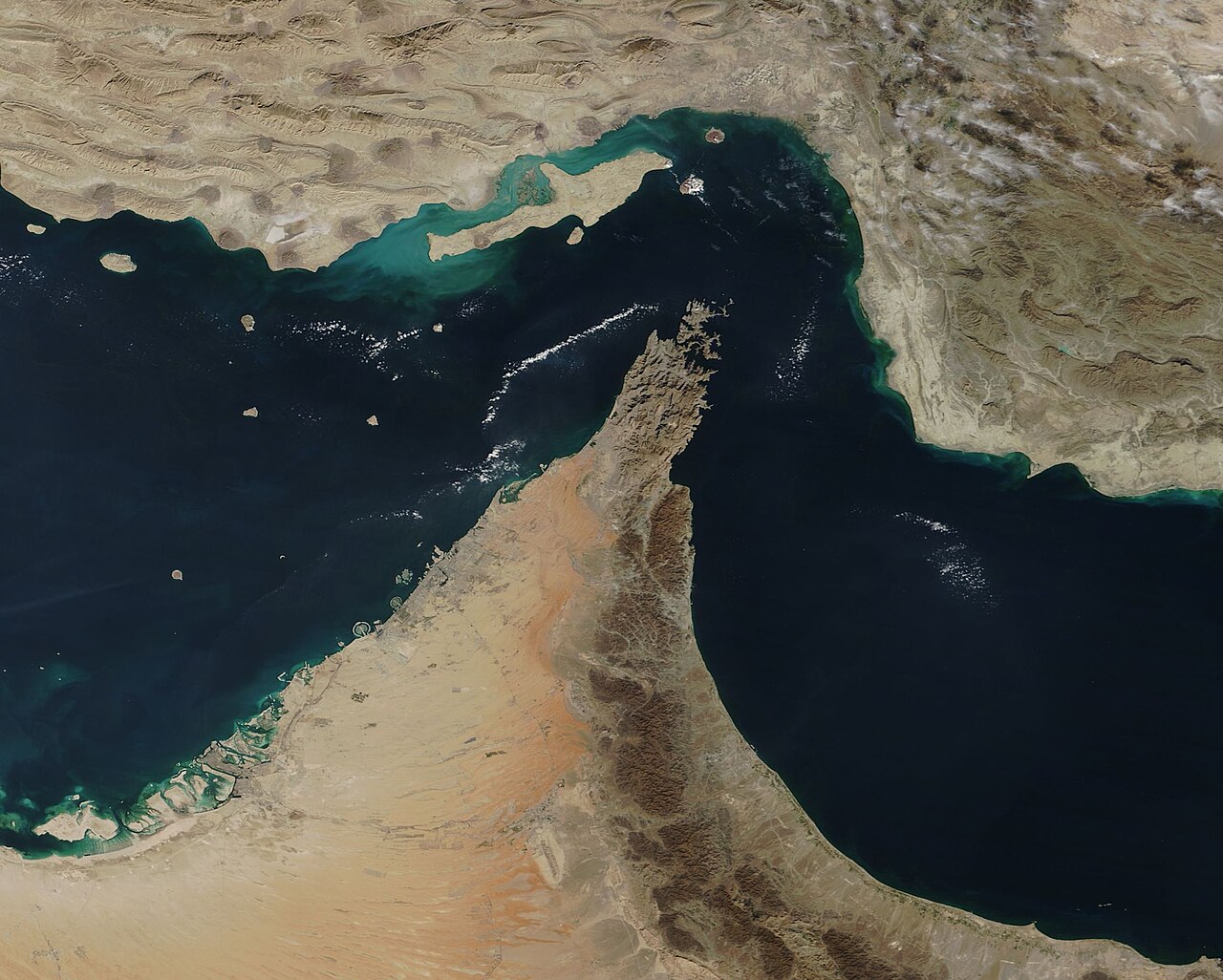
The International Energy Agency warns that even with $40 billion in new pipeline infrastructure, Gulf oil exports will remain heavily dependent on the Strait of Hormuz, which saw flows drop to 3 million barrels per day during the 2026 conflict.
- The International Energy Agency stated that alternative pipeline routes cannot fully bypass the Strait of Hormuz, with at least 2 million barrels per day still expected to pass through the waterway by 2035 under extreme diversification scenarios.
- The ongoing conflict involving US and Israeli strikes on Iran has caused cumulative losses of 2.8 billion barrels of oil and 60 billion cubic metres of gas, described as the largest energy supply shock in history.
- Liquefied natural gas exports from Qatar and the UAE have no feasible alternative routes, meaning elimination of shipments through the strait would strand export capacity.
- The UAE is projected to increase oil production to 5.8 million barrels per day by 2035, while Saudi Arabia’s output will remain near 12 million barrels per day, benefiting from low-cost resources.
The International Energy Agency (IEA) has concluded that significant investment in overland infrastructure will not eliminate the Gulf states' dependence on the Strait of Hormuz. Despite this expenditure, which could add roughly $2 to the cost of every barrel exported from the Middle East, the region’s export routes remain fundamentally exposed.
About 7 million barrels per day of new pipeline capacity is currently under construction or being considered across the region. However, the IEA noted that even if all these projects are completed, and assuming producers outside the Gulf increase output while importers reduce demand, approximately 2 million barrels per day would still need to transit the Strait of Hormuz by 2035 under the agency’s most extreme case for reducing reliance on the waterway.
The agency emphasized that instability in the Middle East renders alternative routes vulnerable as well. The conflict has triggered what the IEA termed the largest energy supply shock in history, resulting in cumulative losses of 2.8 billion barrels of oil and 60 billion cubic metres of gas.
Operational disruptions and spare capacity
Before the outbreak of hostilities, the waterway handled approximately 20 million barrels per day.
Saudi Arabia and the UAE maintained exports above 60 per cent of prewar levels by utilizing the Red Sea and Fujairah, respectively. However, virtually all of OPEC's spare capacity outside the UAE, totaling about 2.6 million barrels per day, was held by countries that rely on shipping through the Strait of Hormuz.
The IEA stated that the Middle East would remain the largest oil exporter to international markets even under the agency’s most extreme diversification case. While importers can gradually reduce their reliance on the strait, the agency noted that the same does not apply to the Middle East as a whole.
LNG constraints and production forecasts
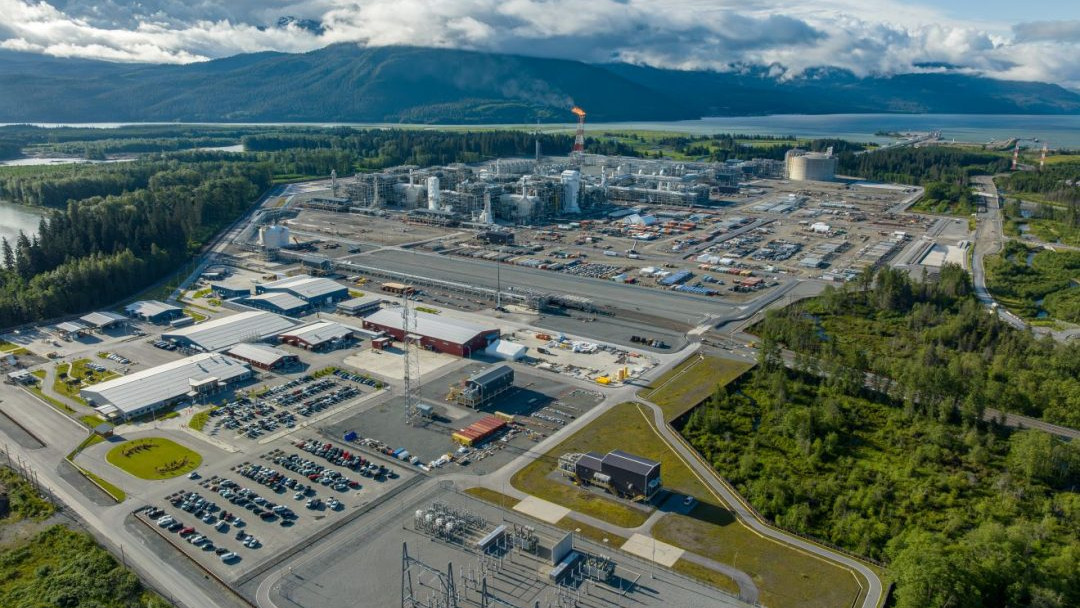
The IEA reported that LNG from Qatar and the UAE has no feasible way around the strait. Eliminating these shipments would strand the export capacity of both countries, which are among the cheapest producers globally.
About 110 billion cubic metres of gas passed through the strait last year, predominantly from Qatar. Iranian attacks on the Ras Laffan complex disabled more than 17 billion cubic metres of annual capacity. The IEA estimates that restoring this specific capacity will take approximately three years.
The IEA provided the following projections for key producers:
- The UAE, which left OPEC in May, is projected to pump 5.8 million barrels per day by 2035, an increase from 4.4 million barrels per day in 2025.
- Saudi Arabia’s oil output is expected to stay near 12 million barrels per day, with natural gas liquids reaching about 30 per cent of production as the Jafurah gas field develops.
- Qatar is expected to double its LNG export capacity by 2035 under the stated policies scenario, adding 87 billion cubic metres of new capacity by the early 2030s.
- The UAE’s 13 billion cubic metre Ruwais LNG project is scheduled to begin operations by 2030.
Economic implications and market outlook
The agency attributed this to low-cost resources and committed investment, which place the UAE and Saudi Arabia in a better position than Iraq. Iraq relies more heavily on Gulf shipping routes and has made less progress in diversifying its economy.
Middle East spending on gas supply is expected to rise by 80 per cent, averaging $50 billion annually over the next decade. This increase is driven by the need to restore Qatari output and support growth in Saudi Arabia and the UAE.
Looking ahead, the IEA suggested that an end to the crisis could create a buyers’ market for oil and natural gas, exerting significant downward pressure on prices. New supply from the UAE and the Americas, combined with US-led LNG projects, is expected to meet demand reshaped by the crisis.
Under current policies, the Middle East’s net oil and gas income is projected to grow from $620 billion in 2025 to $860 billion by 2035. However, the agency warned that if importers accelerate efforts to cut dependence on Gulf energy, the region’s oil exports could be 20 per cent lower by 2035, and LNG exports 60 per cent lower.