OPEC, IEA, and IEF convene to address soaring maritime energy costs
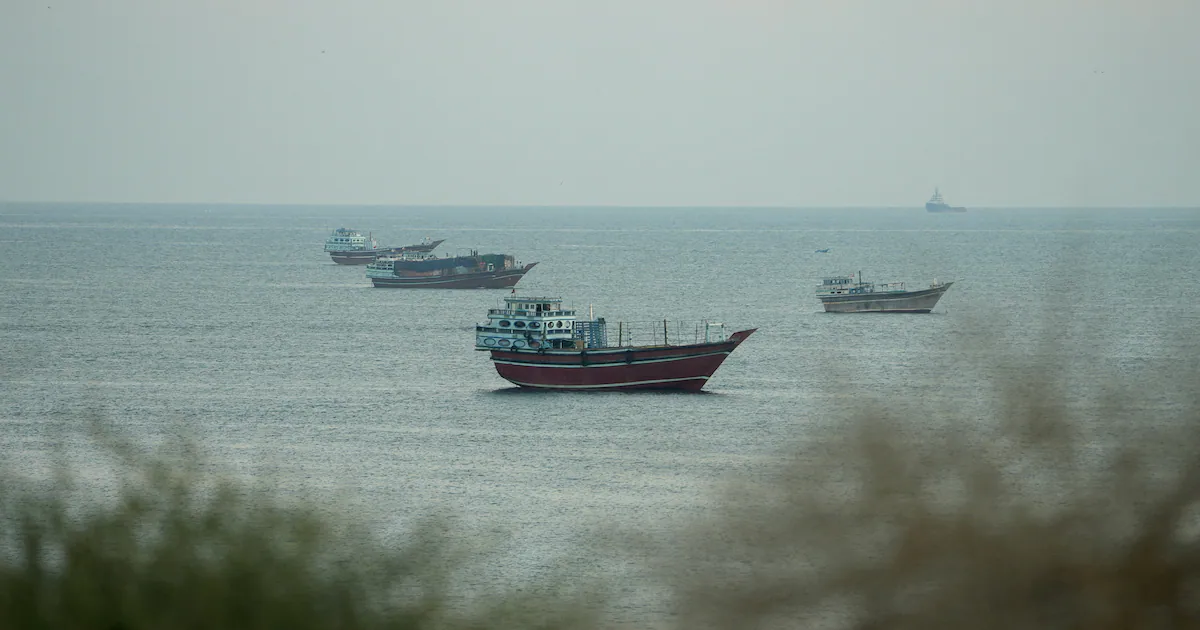
Energy leaders from OPEC, the IEA, and the IEF held technical talks on securing maritime routes as shipping and insurance expenses surge to over a third of crude value.
- OPEC, the IEA, and the IEF conducted a technical workshop focused on maritime energy flows and market stability.
- Shipping and insurance costs have risen to more than one-third of the underlying value of crude oil in 2026.
- The International Maritime Organization reported at least 130 attacks on commercial vessels since the Middle East conflict began.
- Ministers at the Declaration of Cooperation meeting in Riyadh requested this dialogue to ensure uninterrupted energy flows.
- The International Maritime Organization confirmed 25 casualties among seafarers amid ongoing geopolitical tensions.
The three organizations held a technical workshop titled the Joint IEA-IEF-OPEC Technical Workshop on the Security of Energy Flows: Maritime Routes and Market Stability. This session was convened under the leadership of OPEC Secretary General Haitham Al Ghais, IEA Executive Director Fatih Birol, and IEF Secretary General Jassim Alshirawi.
The initiative stems directly from a request made by the ministers of the Declaration of Cooperation during their consultation meeting in Riyadh on October 12. The workshop serves as a continuation of the trilateral program of work established by the three bodies, focusing on shared concerns about infrastructure protection and trade route security.
Surge in Shipping and Insurance Expenses
Haitham Al Ghais highlighted that maritime energy flows remain a fundamental pillar of global energy security. He noted that shipping and insurance expenses in 2026 have escalated significantly, now accounting for more than one-third of the underlying value of crude oil.
Fatih Birol described the current state of energy markets as facing a crisis of unprecedented proportions. He pointed out that the production and transportation of oil and gas, which the global economy depends on, are being severely affected. Birol stressed that while producers have made significant efforts to maintain supply under difficult circumstances, safeguarding the freedom of maritime navigation is essential.
Human Cost and Geopolitical Tensions
Arsenio Dominguez, the Secretary-General of the IMO, warned that seafarers are losing their lives, suffering serious injuries, and facing abandonment. The organization confirmed that the number of casualties has risen to 25 since the conflict began. Additionally, at least 130 attacks against commercial vessels in the region have been verified by the IMO.
Dominguez noted that these individuals are often deprived of basic human necessities such as water, food, and medical care. The IMO Council, meeting in London for its 138th session, reiterated that vital shipping lanes must remain open, safe, and secure. The organization called on member states to refrain from unlawful measures that jeopardize the safety of international shipping.
Priorities for International Cooperation
Jassim Alshirawi emphasized that security of supply and security of demand must stand together, supported by producer-consumer relations and solidarity. He stated that safe maritime passage is essential for market stability for producers, consumers, and transit countries alike. Disruptions in these routes can raise energy, food, and transport costs far beyond the affected region, disproportionately impacting vulnerable communities.
The IEF Secretary General added that cooperation with the IEA and OPEC can strengthen dialogue and data transparency. This enhanced cooperation is seen as necessary to restore confidence, support investment, and build more resilient global energy markets. The 17th International Energy Forum Ministerial Meeting in Riyadh had already highlighted sustained investment across energy systems and stronger market data as priorities. The ongoing instability in the Middle East continues to create a rapidly evolving situation for global shipping.
Key Figures and Statements
The following points summarize the critical data and perspectives presented during the discussions:
- Shipping and insurance costs have increased to more than one-third of the underlying value of crude oil in 2026.
- The International Maritime Organization has verified at least 130 attacks against commercial vessels in the region.
- Confirmed casualties among seafarers have risen to 25 since the conflict in the Middle East began.
- Ministers at the Declaration of Cooperation meeting expressed concern about elevated shipping and insurance costs.
- The workshop was convened following the IEF 17 Ministerial Meeting held in Riyadh on October 12.
Looking Ahead
The joint effort by OPEC, the IEA, and the IEF aims to identify possible solutions to the challenges facing maritime trade. Al Ghais stated that these discussions are vital for addressing the issues confronting both producers and consumers. The focus remains on ensuring uninterrupted flows of energy while managing the elevated costs associated with transportation.