Bahrain's Sitra refinery nears full capacity post-Iranian strikes
Bapco Energies CEO Mark Thomas says Bahrain's war-damaged Sitra refinery is weeks away from returning to full design capacity.
- The 415,000 barrels-per-day Sitra refinery is operating at more than 80 per cent capacity and is expected to reach 100 per cent by year-end.
- Exporting naphtha and liquefied petroleum gas remains difficult, with insurance costs for transit reaching $17 million per vessel.
- Charter rates for specialized LPG carriers have risen to four times the normal market rate.
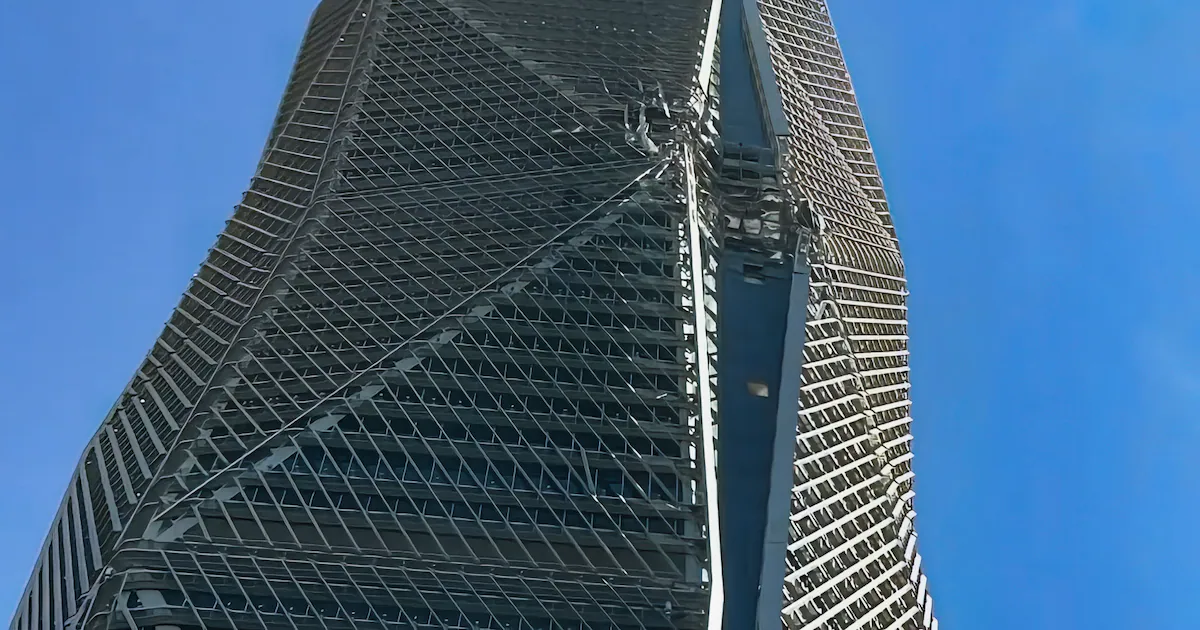
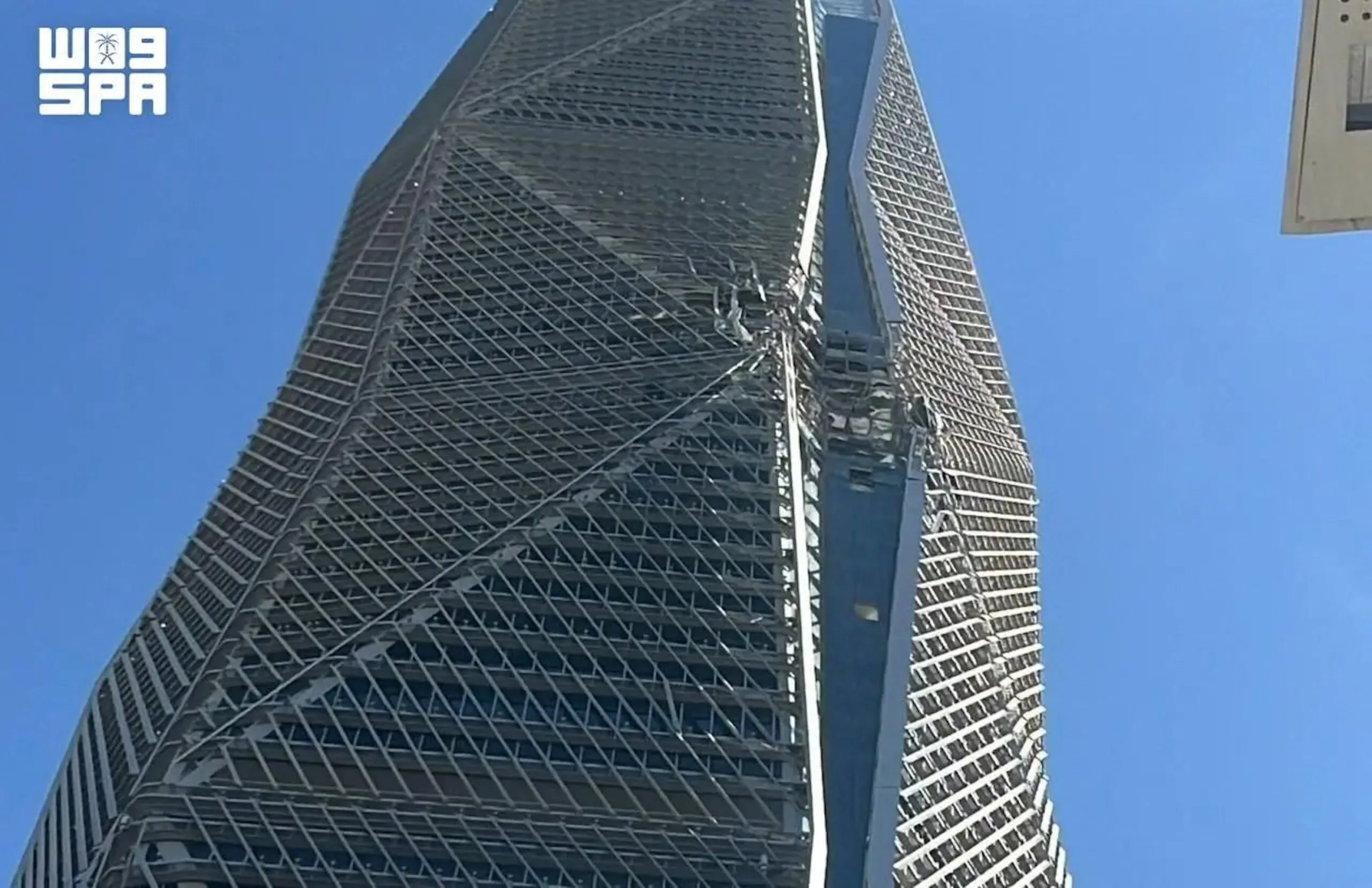
The facility, which has endured six strikes from Iranian forces since the regional conflict escalated in late February, is currently running at more than 80 per cent of its design output.
Thomas noted that the refinery was in the final stages of commissioning when the attacks began, with 27 of 32 units already active.
Regional Fuel Shifts
Prior to the war, approximately 85 per cent of the refinery’s output was shipped through the strait. With regional supply disrupted by damage to other refineries, Bapco has redirected about 80 per cent of its production to Gulf consumers. This includes jet fuel supplies to Qatar and Saudi Arabia, as well as diesel shipments to Iraq.
Thomas described this regional shift as temporary, anticipating that export pressure will resume as neighboring plants repair their own infrastructure. However, certain products like naphtha and liquefied petroleum gas (LPG) lack local buyers and must still be exported through the strait.
Key logistical and financial hurdles include:
- Charter rates for specialized LPG carriers have risen to four times the normal market rate.
- Insuring a single vessel for the roughly eight-hour transit through the strait costs $17 million.
- The company is also navigating the import of crude by ship for the first time, supplementing its traditional supply via the AB-4 pipeline from Saudi Arabia.
Nuclear and Gas Developments
Beyond immediate refining operations, Bapco is preparing to introduce small modular nuclear reactors to the kingdom. Thomas indicated that the company aims to act principally as an investor and potentially an operator in this new energy sector. A civil nuclear cooperation agreement with the United States, known as a 123 agreement, is in its final stages of negotiation. This deal is required under US law before American nuclear material or equipment can be transferred to Bahrain.
The development of nuclear power is driven by the decline of Bahrain’s main gas reservoir, which has been in production for 42 years. Thomas outlined a 10-year development timeline, stating that no physical infrastructure would be on the ground until 2035. The company is currently incubating the concept for a target capacity of two gigawatts by that date.
Domestically, Bapco is also exploring new gas sources. The company is mapping offshore seismic data in partnership with US firm EOG Resources. Thomas expects the prospects to be gas-rich, with results from the survey anticipated in about a year and a half.
Trading and LNG Adjustments
Market volatility has benefited Bapco’s trading arm, which Thomas said far exceeded expectations this year. Originally established to market the refinery’s barrels, the trading unit has expanded into third-party cargo transactions.
Conversely, Bahrain’s plans to import liquefied natural gas have faced setbacks. Demand collapsed after major industrial consumers, including Aluminium Bahrain, Gulf Petrochemical Industries Company, and an iron producer, were damaged in the conflict. Bapco had purchased eight LNG cargoes in 2025, five of which originated from the United States. Thomas projected that 2027 will serve as a transition year, with demand expected to return to prewar levels by 2028 or 2029.