Image: © BBC
Energy price cap rises 26% in January, pushing household costs higher
Ofgem confirms a 26% increase in the energy price cap for January, affecting variable tariff holders. The rise coincides with record energy debt levels and significant personal hardship for vulnerable consumers.
- Ofgem has confirmed the energy price cap will rise by 26% in January, impacting households on variable tariffs.
- Gas unit prices will increase from 7.97p to 10.96p per kilowatt-hour, while electricity rises from 26.32p to 32.69p.
- Energy debt is projected to reach £7bn across Britain by the end of 2026, according to Energy UK estimates.
- The UK government announced a £100 household energy payment for up to 20 million households starting in January.
- The Welsh government confirmed it would extend the £100 payment to all council tax support recipients, regardless of band.
While those on fixed deals remain unaffected until their contracts expire, the new cap sets higher maximum prices for unit energy and daily standing charges.
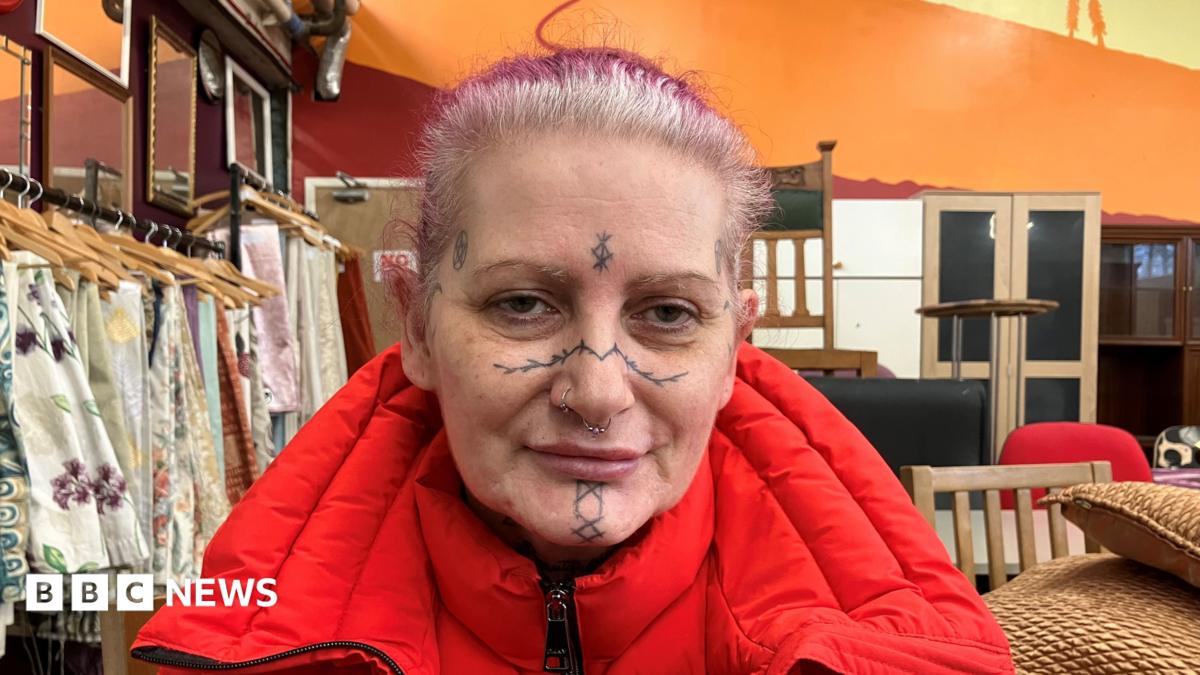
Suffering from chronic obstructive pulmonary disease and other health conditions, she has already seen her electricity bills more than double. To cope with existing costs, she has accumulated £400 in debt and altered her daily routine, including washing herself in a bowl and avoiding hot meals.
Specific Price Adjustments
The adjustment is based on supplier costs and system running expenses over a three-month period ending roughly six weeks before the new rates take effect. Consequently, recent falls in international wholesale prices will not be reflected in the January cap but will appear in the April adjustment.
Key figures for the new cap include:
- Electricity unit prices will rise from 26.32p to 32.69p per kilowatt-hour.
- Gas unit prices will increase from 7.97p to 10.96p per kilowatt-hour, exceeding levels seen after the invasion of Ukraine.
- Daily standing charges will be set at 54.77p for electricity and 29.65p for gas.
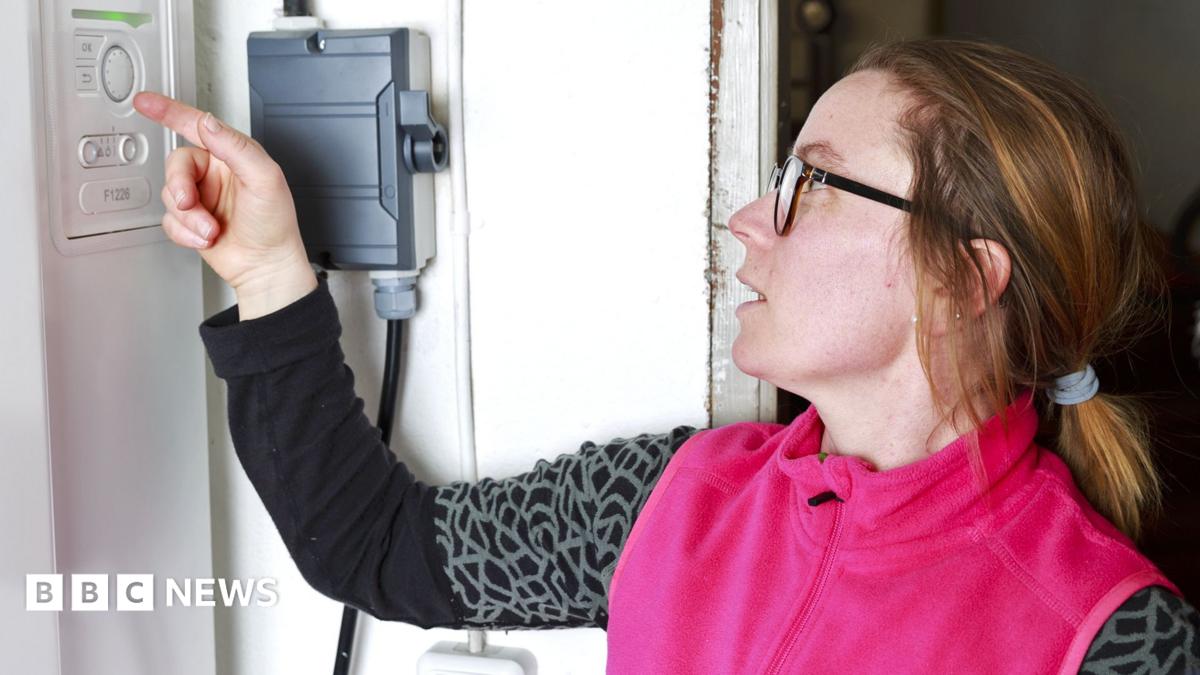
Experts note that these unit price changes require consumers to reassess their energy consumption habits. Recommendations include turning down combi boiler flow temperatures, disabling pre-heat facilities, and lowering thermostats to the recommended 18C minimum. Regional disparities also exist, with households in north Wales and Merseyside facing some of the highest electricity standing charges in the country.
Government Support and Debt Concerns
In response to the rising costs, the UK government has introduced financial support measures. Starting in January, up to 20 million households will receive a £100 payment towards energy costs. Additionally, approximately six million households will receive the £150 Warm Home Discount, alongside a cut to VAT on electricity bills. The Welsh government has confirmed it will pass on the £100 payment but has expanded eligibility to include anyone receiving council tax support, irrespective of their council tax band.
Despite these measures, energy poverty charities warn that many households are facing their most expensive winter yet. Ben Saltmarsh from NEA Cymru highlighted that years of high prices have depleted financial buffers, leaving many with no fallback options. He called for immediate government intervention to assist those most in need and address the root causes of cold homes.
Saltmarsh emphasized that without intervention, many debtors have no realistic way out of their crisis. The Welsh government has also announced a £130m support package, including £8m for local authorities and additional aid for off-grid households using heating oil.
Systemic Challenges
The energy price cap operates as a maximum price per unit of energy rather than a limit on total bills. This means consumers pay for what they use, and millions have already reduced consumption during previous periods of high prices.
The cap is reviewed every three months, balancing supplier costs with the broader energy system. While the January increase is driven by past wholesale prices, future adjustments may reflect current market conditions.
Something wrong in this story, or about you in it?Request a correction or removal