Image: © investingLive
US urged Venezuela and Iraq to quit OPEC earlier this year
Reports say the US administration encouraged Venezuela and Iraq to leave OPEC, blocking payments and seeking Saudi intervention to boost US oil output.
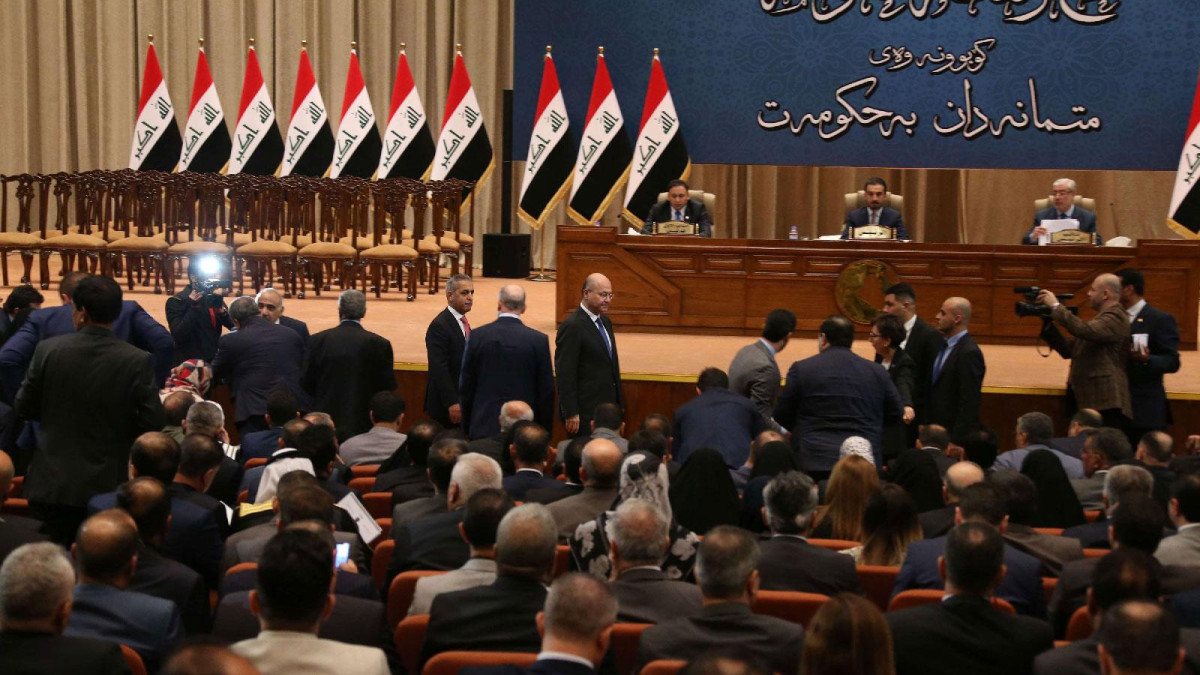
- Reuters reported that the US administration encouraged Venezuela and Iraq to contemplate leaving OPEC earlier this year.
- Washington reportedly blocked Venezuela's annual membership payment to the bloc.
- Saudi Crown Prince Mohammed bin Salman intervened over the summer to persuade the US to back off from the pressure.
- The US State Department stated that an OPEC exit was not raised at senior levels with Venezuela.
- Discussions with Iraq centered on energy infrastructure rather than membership withdrawal.
Diplomatic Pressure and Blockades
A specific tactic involved Washington blocking Venezuela's annual membership payment.
However, the diplomatic landscape proved complex.
Official Denials and Strategic Goals
Despite these reports, US officials have maintained a different public stance. The US State Department stated that an OPEC exit was not raised at senior levels with Venezuela. Instead, Washington claims that discussions with Iraq centered on energy infrastructure development rather than membership withdrawal.
The underlying commercial angle suggests that Washington wants US oil companies to ramp up production in both countries. Removing OPEC quotas would theoretically allow these companies to operate without third-party restrictions on how much oil they can pump.
Market Implications and Upcoming Meetings
For Venezuela, which is currently exempt from OPEC production quotas, walking away offers little to no immediate benefit. The nation would essentially be giving up its seat at the table before its oil industry has fully recovered. Similarly, Iraq's oil ministry has maintained that its position favors negotiating a bigger production allowance over leaving the bloc altogether.
The potential departure of members does not automatically translate to increased supply. It will still take significant investment, infrastructure development, and time to bring additional barrels to market. Trump's push is largely aimed at triggering a snowball effect, particularly following the UAE's departure earlier this year.
Key factors influencing the upcoming OPEC+ dynamics include:
- The US administration's reported efforts to block Venezuela's membership payments.
- Saudi Crown Prince Mohammed bin Salman's intervention to persuade the US to cease pressure.
- The US State Department's denial that OPEC exit was discussed at senior levels with Venezuela.
- Iraq's preference for negotiating higher production allowances rather than exiting the group.
The OPEC+ meeting on 29 November represents a key risk event. The bloc must determine if it can continue to keep its members' individual production ambitions aligned with its collective interest in supporting oil prices.
Something wrong in this story, or about you in it?Request a correction or removal