Image: © Rigzone
Petronas Delivers First Bio-LNG Shipment to Tokyo Gas
Petronas completed its inaugural cargo of bio-liquefied natural gas to Japan, marking a milestone in decarbonization efforts alongside new floating facility plans.
- Petronas delivered its first cargo of bio-liquefied natural gas to Tokyo Gas from Malaysia on Thursday.
- The shipment was certified under the International Sustainability and Carbon Certification PLUS standard.
- The bio-LNG was sourced from palm oil mill effluent and co-loaded with conventional gas in Johor.
- Petronas recorded 20.29 million metric tons of gross LNG sales in the first half of 2026.
- Petronas unveiled the PFLNG Tiga facility, described as the world's first nearshore floating LNG plant.
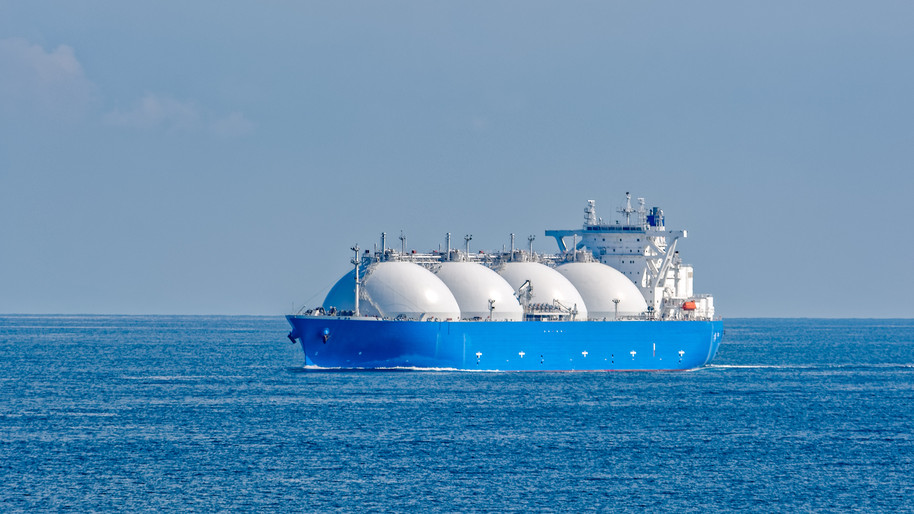
Petroliam Nasional Bhd announced on Thursday that it has successfully transported its initial shipment of bio-liquefied natural gas to Japan. This delivery marks the first time the Malaysian state energy company has moved this specific type of fuel under an agreement with Tokyo Gas Co Ltd. The cargo departed from the Regasification Terminal Pengerang located in the Johor state region. It was combined with standard liquefied natural gas during the loading process before embarking on its journey across the sea.
Supply Chain Validation and Certification
The bio-liquefied natural gas utilized in this trial was derived from palm oil mill effluent. Petronas LNG Ltd sourced the material through its subsidiary Petronas Energy & Gas Trading Sdn Bhd. The transportation relied on the existing infrastructure managed by Petronas Gas Bhd. This operational move highlights the company's integrated approach to providing lower-carbon energy alternatives. Adif Zulkifli, who serves as the executive vice president and chief executive of gas and maritime operations at Petronas, emphasized the importance of joint validation efforts. He stated that close cooperation with Tokyo Gas was essential to verify the supply chain requirements for this successful delivery. The fuel received certification under the International Sustainability and Carbon Certification PLUS framework, confirming its environmental credentials.
Strategic Partnership Expansion
Alongside the physical delivery, both companies formalized their relationship further by signing a memorandum of understanding. This agreement covers the entire liquefied natural gas value chain, including procurement, storage, and regasification. It also extends to decarbonization initiatives such as biomethane production and carbon capture and storage technologies. Tokyo Gas indicated that the collaboration aims to achieve net-zero carbon dioxide emissions. The delivery supports Japan's national goal of incorporating one percent renewable gas, including e-methane and biomethane, into its city gas network by 2030. Petronas noted that this milestone demonstrates the progression from partnership discussions to practical decarbonization solutions.
Production Growth and New Facilities
The bio-LNG delivery coincides with broader operational expansions for the Malaysian energy giant. During the first half of 2026, Petronas reported gross liquefied natural gas sales totaling 20.29 million metric tons. This figure represents a 17 percent increase compared to the same period in 2025. The company delivered 282 liquefied natural gas cargoes from its global portfolio during these six months. The company unveiled the PFLNG Tiga facility on Tuesday. Described as the world's first nearshore floating liquefied natural gas plant, it has a production capacity of two million metric tons annually. This development strengthens Malaysia's position in the global energy market by enhancing the monetization of gas resources.
Key Operational Metrics
The recent activities highlight several critical data points regarding Petronas' current operational status and future direction:
- Gross liquefied natural gas sales reached 20.29 million metric tons in the first half of 2026.
- The company shipped 282 liquefied natural gas cargoes globally during the first six months of 2026.
- PFLNG Tiga is designed to produce two million metric tons of liquefied natural gas per year.
- Japan aims to introduce one percent renewable gas into its city gas supply by the year 2030.
- The bio-liquefied natural gas was certified under the International Sustainability and Carbon Certification PLUS scheme.
Something wrong in this story, or about you in it?Request a correction or removal